Wood-sided homes evoke a warm, timeless, and connected-to-nature feel. Unlike traditional siding, this material brings a natural texture and character to any home, regardless of its age. After all, logs and log siding are the reason homeowners fall in love with cabins, cottages, and even contemporary homes that blend wood with modern finishes. But beauty isn’t the whole story. Wood siding, much like log homes, comes with specific care requirements—and when it’s neglected, that charm can quickly give way to rot, fading, or structural damage. If you already have wood siding—or you’re thinking about adding it to your home—Log Masters Restorations can help you understand how to protect and maintain it. We’ll walk you through the benefits, the challenges, and the signs that it’s time for replacement.
Why Homeowners Love the Look of Wood
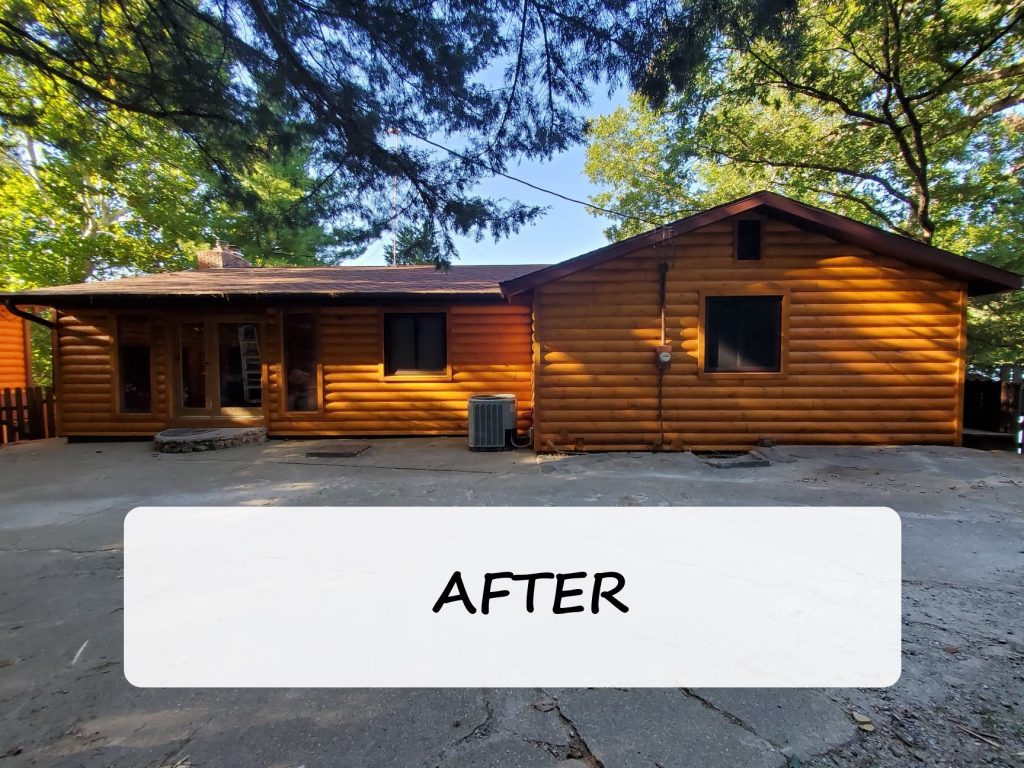
Wood siding’s charm runs deeper than its design. It represents generations of craftsmanship while offering the flexibility to enhance both classic and modern architecture. A properly finished cedar or pine exterior can transform an ordinary house into a warm, inviting work of art. For many homeowners, log siding strikes the perfect balance—delivering the round, rustic appeal of full logs without the structural demands or expense of actual log construction. It’s ideal for those who want the look and feel of a cabin in the woods while keeping the comfort and efficiency of conventional framing. At Log Masters Restorations, we’ve seen how the right siding can completely transform a home’s appearance and integrity. From restoring historic cabins to refinishing modern homes with natural wood panels, our mission remains the same: to help you protect and preserve that handcrafted beauty for generations. 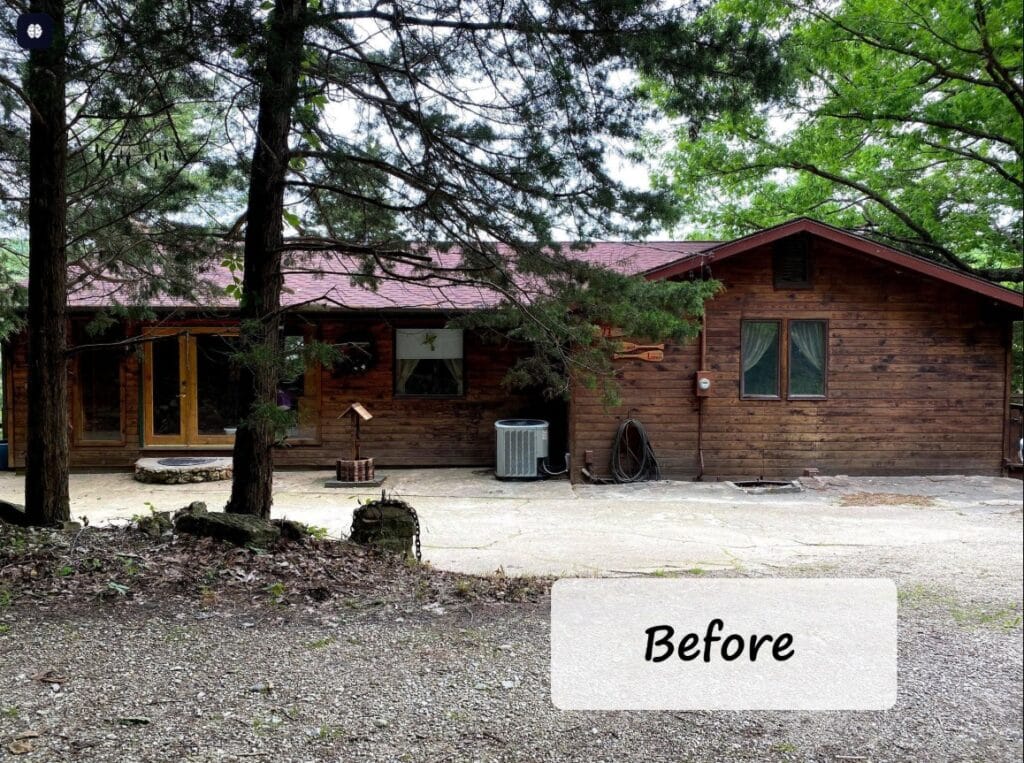
Types of Wood Siding for Homes
Wood siding comes in many forms, each with its own unique character and specific care requirements. Species, design, and installation all influence your home’s beauty, performance, and longevity.
Cedar
Cedar remains one of the most popular choices for exterior siding—and for good reason. It’s naturally resistant to insects and decay, holds stain beautifully, and carries a distinctive aroma and grain pattern that homeowners love. It offers a higher R-value than pine and dries out naturally better as well. With regular sealing, cedar siding can last 30 years or more. While cedar is durable and can last for years with proper installation and regular maintenance, stains and caulking will degrade. Poor installation, such as using finishing nails instead of siding nails, can significantly shorten the life of your siding. Also, stains and caulk still need to be maintained to prevent the siding from failing sooner than intended.
Pine
Pine is a cost-effective and versatile option that offers a classic, knotty appearance. It stains well, especially if you use white pine (instead of yellow or red). However, it’s softer and more susceptible to moisture damage and insects, making consistent upkeep essential.
Engineered Wood
By combining wood fibers and advanced resins, engineered wood siding recreates the authentic grain and texture of real wood while improving its resistance to moisture and decay. For many homeowners, it offers the best of both worlds—natural beauty with modern durability. It’s a smart option for homeowners who love the warmth of wood but want easier upkeep. We have worked with engineered wood before, and have even seen variations of it in metal and concrete.
Log Siding
Log siding—whether half-log, rectangular or D-log, or tongue-and-groove—provides the authentic appearance of a whole log structure without the engineering challenge associated with it. It’s frequently used in remodels or additions to match existing log cabins and can be installed over standard framing.
Log Siding vs. Traditional Wood Siding
At first glance, both materials appear to deliver the same visual charm, but they serve slightly different purposes.  Traditional wood siding (such as beveled planks or shakes) lies flat against your home’s structure. It’s lighter, easier to install, and offers a range of profiles to fit any architectural style—from farmhouse to modern craftsman. Log siding, on the other hand, creates a three-dimensional effect, giving your home that authentic “cabin” aesthetic. Because it’s thicker, it provides better insulation but also requires more precise sealing and caulking to prevent moisture infiltration. From a cost perspective, log siding is typically more expensive upfront. However, its higher R-value over vinyl or metal siding, can dramatically enhance property value and curb appeal when installed and maintained correctly. Pro insight from Log Masters: Many of the “log homes” we restore are actually hybrids—traditional structures with log siding. This combination provides the rustic beauty homeowners want without the weight and complexity of whole logs. Knowing where your siding and logs meet is important, so we recommend consulting the builder or previous owners about this information to avoid damage to your home structure.
The Pros of Wood Siding
Wood siding is more than a design feature. It’s a hardworking, sustainable material that protects your home and adds long-term comfort and value when well cared for.
- Aesthetic appeal: No other material matches the warmth and texture of real wood. Each board tells its own story through unique grain patterns and natural color variations, making your home truly one-of-a-kind.
- Natural insulation: Wood helps balance indoor temperatures year-round, keeping your home cooler in the summer and warmer in the winter.
- Custom finishes: Whether you prefer rich cedar tones or sun-bleached grays, wood siding can be stained or painted in nearly any hue to match your style.
- Eco-friendly choice: Unlike synthetic materials, wood is renewable and biodegradable—making it a responsible option for homeowners who care about sustainability.
When properly installed and cared for, wood siding offers both lasting protection and the kind of charm that never goes out of style.
The Pitfalls of Wood Siding
Wood siding is beautiful, but it demands attention. When it’s ignored, even the best materials can wear down sooner than expected.
Ongoing Maintenance
Wood siding needs care to last. Every few years, it should be sealed or stained to protect against the sun and rain. When that protection fades, water seeps in, causing swelling, cracks, and color loss.
Moisture Damage and Rot
Humidity and heavy rain are hard on wood. Moisture that slips into cracks or exposed ends can lead to rot and fungus. Once that happens, decay spreads quickly and weakens the boards underneath.
Insect Infestation
Unprotected wood is an open door for bugs. Termites, ants, and beetles eat away at the surface, weakening it from the inside. Regular inspections and treatment stop problems before they spread.
UV Fading
Strong sunlight can dry out wood and fade its finish. A quality UV-resistant stain keeps the color rich and the wood healthy.
Repair Costs
Rot and water damage only get worse with time. The sooner you act, the less you’ll spend on repairs. Pro Tip: If you see flaking stain, faded color, or soft spots, call a professional. Early care saves more of your original siding and keeps your home in good shape.
When to Replace Wood Siding
Even well-maintained wood has its limits. Recognizing the warning signs early can save you thousands in repairs.
1. Rot or Soft Spots
Press on areas that look questionable. If the wood feels soft or starts to crumble, it is likely rotting. Those boards need to be replaced right away before the damage spreads.
2. Cracks and Warping
As temperatures change, wood shifts. If you see boards bending or pulling loose, they’ve already lost their shape and need to be replaced.
3. Pest Damage
Watch for small holes, sawdust, or hollow spots when you tap the wood. Those are clear signs of insects working inside. The sooner you treat it, the less material you’ll lose.
4. Faded or Peeling Finish
When the color fades or the finish peels, the stain has ceased to do its job. The wood underneath is exposed and needs to be cleaned, sealed, and protected again.
5. Energy Loss or Leaks
Drafts, rising utility bills, or signs of water inside your walls can mean your siding is no longer insulating effectively. If you see one or more of these signs, it’s time to consult a professional. A certified restoration team can determine whether your siding can be repaired or if complete replacement is the smarter investment. At Log Masters Restorations, we evaluate both cosmetic and structural factors to ensure homeowners receive an honest assessment before committing to major work.
How Log Masters Restores and Protects Wood Siding
Our restoration process goes beyond simple surface fixes—it’s about preserving the structural integrity and beauty of your home. We start with a detailed inspection and assessment to pinpoint areas of damage, hidden moisture, and failing finishes. We will also confirm it was properly installed using correct fasteners. From there, our crew may use media blasting or sanding to remove old coatings and safely reveal the fresh wood beneath. Damaged sections are repaired or replaced, ensuring that your home retains its original character while regaining complete protection. Next, we apply borate treatments to prevent future insect infestations and use professional-grade stains and sealants from industry leaders such as Perma-Chink Systems and Sashco. Finally, we offer maintenance plans to help you stay ahead of future deterioration. These include annual washing, touch-up staining, and visual inspections—everything your home needs to stay beautiful and sound for decades. “Our goal isn’t just to make your siding look new again—it’s to give you peace of mind knowing your home is protected from the elements.” — Log Masters Restorations Team
Protect and Preserve the Beauty of Your Home
Whether your home features smooth cedar planks, rugged pine panels, or traditional log siding, the secret to longevity is consistent care. Time, weather, and insects may challenge your exterior, but with the right expertise, you can preserve the warmth and strength that make wood siding so special. For over 20 years, Log Masters Restorations has helped homeowners throughout Missouri, Colorado, and Texas protect and restore their dream homes. From routine maintenance to complete siding replacement, we treat every project as if it were our own home. Don’t wait until damage spreads. Protect your investment and bring your home back to life— Schedule your free wood siding estimate with Log Masters today.
Wood Siding FAQs
How long does wood siding last?
With proper maintenance and sealing, wood siding can last anywhere from 20 to 40 years—or longer in mild climates.
Is wood siding high maintenance?
Compared to vinyl or aluminum, yes. But with scheduled cleanings and periodic staining, you can drastically reduce long-term costs.
What is the most durable wood siding?
Cedar and engineered wood consistently outperform other options due to their natural oils, strength, and resistance to decay.
Can I install log siding over existing walls?
Often, yes—especially on framed homes. However, using correct moisture barriers and following proper installation techniques are crucial to avoid hidden damage.
What’s the average cost to replace wood siding?
Costs vary based on the home’s size, the type of wood used, and the amount of prep work required. The good news is that restoration is often more cost-effective than full replacement, especially when caught early.