Professional Log Home Chemical Stripping & Paint Removal
Safe, Controlled Stain and Paint Stripping to Prepare Logs for Long-Term Protection
When Stain or Paint Won’t Come Off, Stripping Is the Solution
Over time, stains build up. Paint begins to peel. Film-forming finishes trap moisture and prevent the wood from breathing.
When coatings fail, they fade and lock in damage.
Log home chemical stripping becomes necessary when traditional cleaning or sanding can’t properly remove old finishes. It’s not common for this service to be required, but it is generally required if someone decides to restore a log home that a previous owner mistakenly painted.
Chemical stripping logs is not about shortcuts. It is about safely breaking down old coatings so the wood underneath can be properly restored.
If your home has thick paint layers, multiple stain applications, or stubborn coatings that resist removal, chemical stripping may be the right first step.
What Chemical Stripping Is — And When It’s Used
Chemical stripping is a controlled stain-removal process that uses a specialized wood-stripping chemical to break down paint, stains, and other film-forming finishes on log surfaces.
Professional chemical stripping log home applications:
Penetrate deep into wood pores to release coatings
Loosen paint stripping layers for safe removal
Reduce aggressive sanding requirements
Preserve wood texture during the stripping of log home surfaces
Prepare logs for refinishing
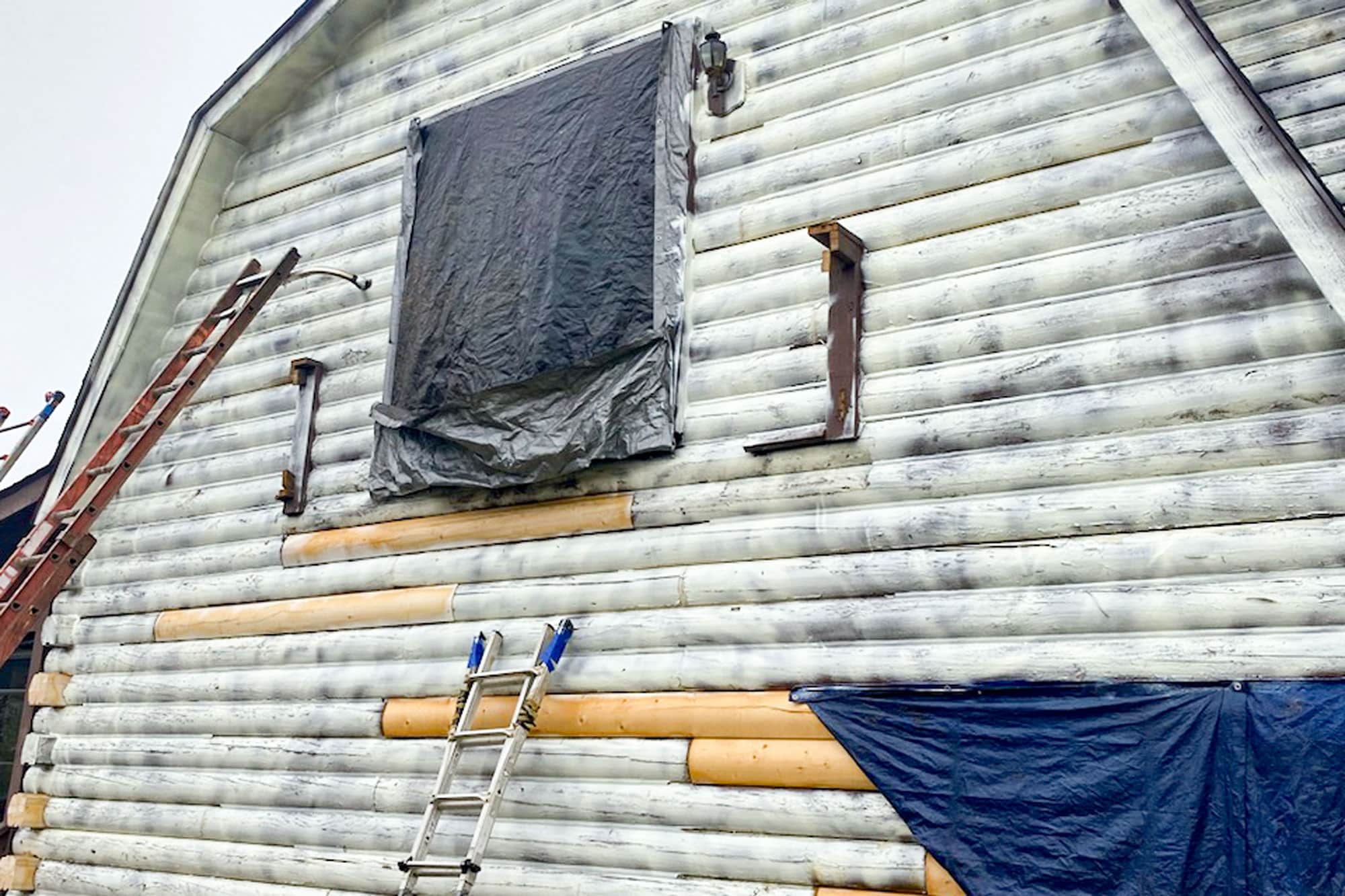
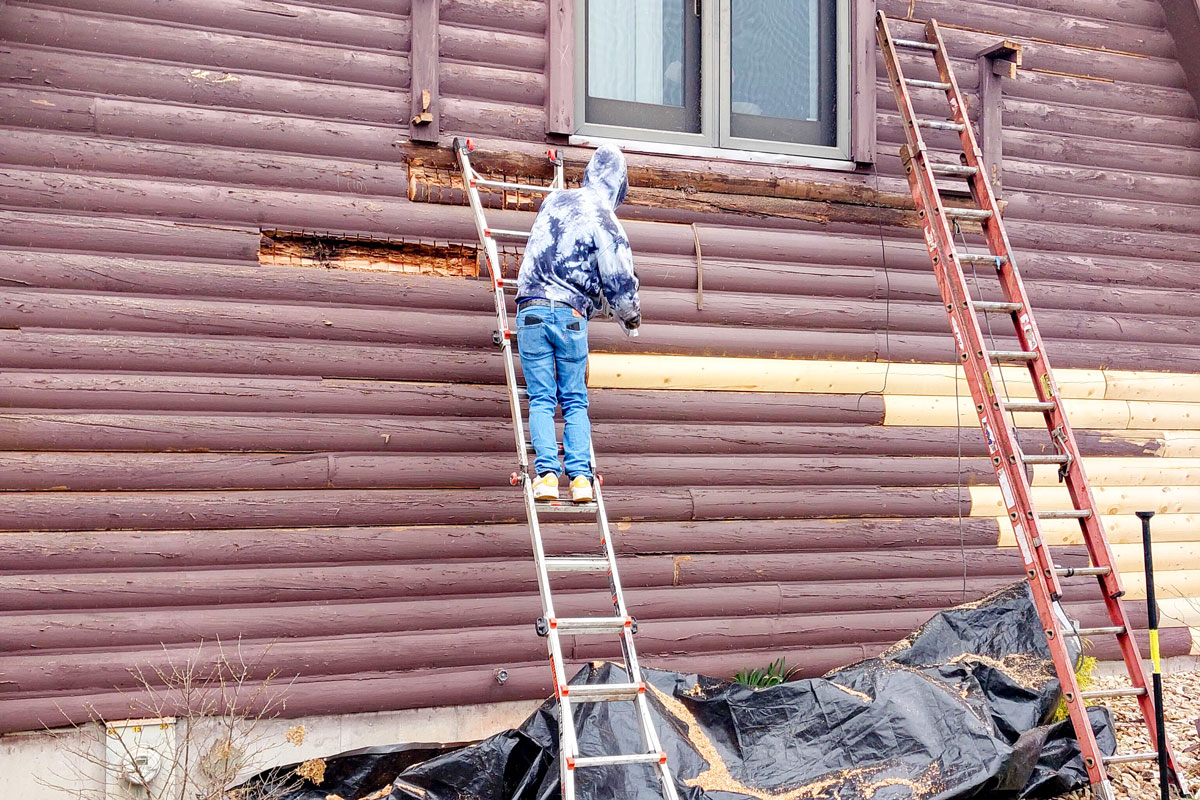
Protective masking helps shield windows and surrounding surfaces while chemical stripping agents remove old, failing finishes from the logs.
The best wood stripping chemical is designed specifically for log structures. Generic paint remover products are not always appropriate for exterior logs.
Home chemical stripping requires proper dwell time, rinsing technique, and follow-up cleaning to ensure no residue remains before refinishing.
When blasting is not ideal — such as delicate wood conditions or specific coating types — chemical wood stripping provides a controlled alternative.
Not sure which removal method is right for your home? Let’s evaluate it.
What Chemical Stripping Does for Your Log Home
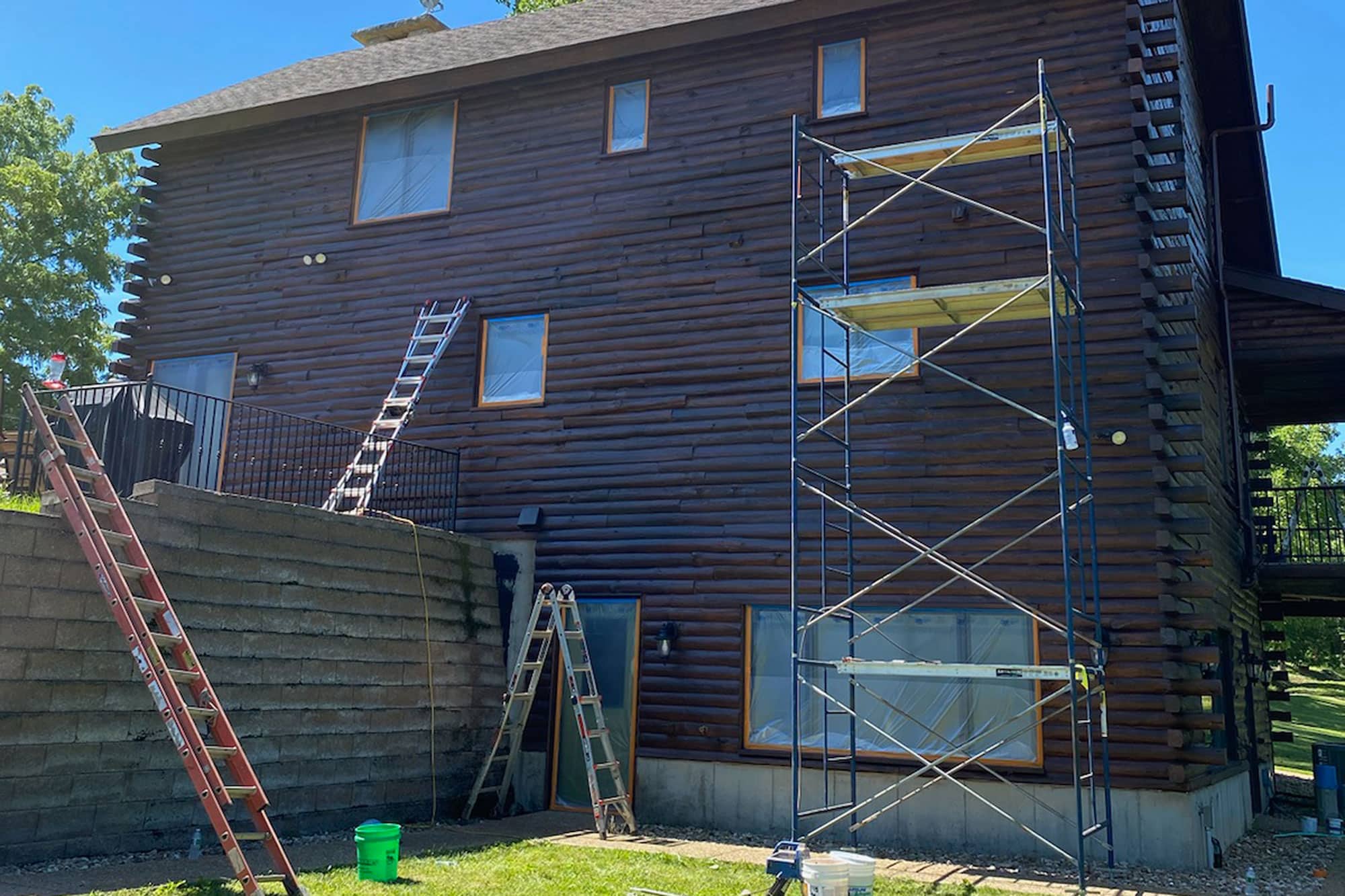
Removes Stubborn Paint & Stain Layers
Log home chemical stripping breaks down thick coatings that sanding alone cannot remove. This ensures full stain removal before refinishing begins.
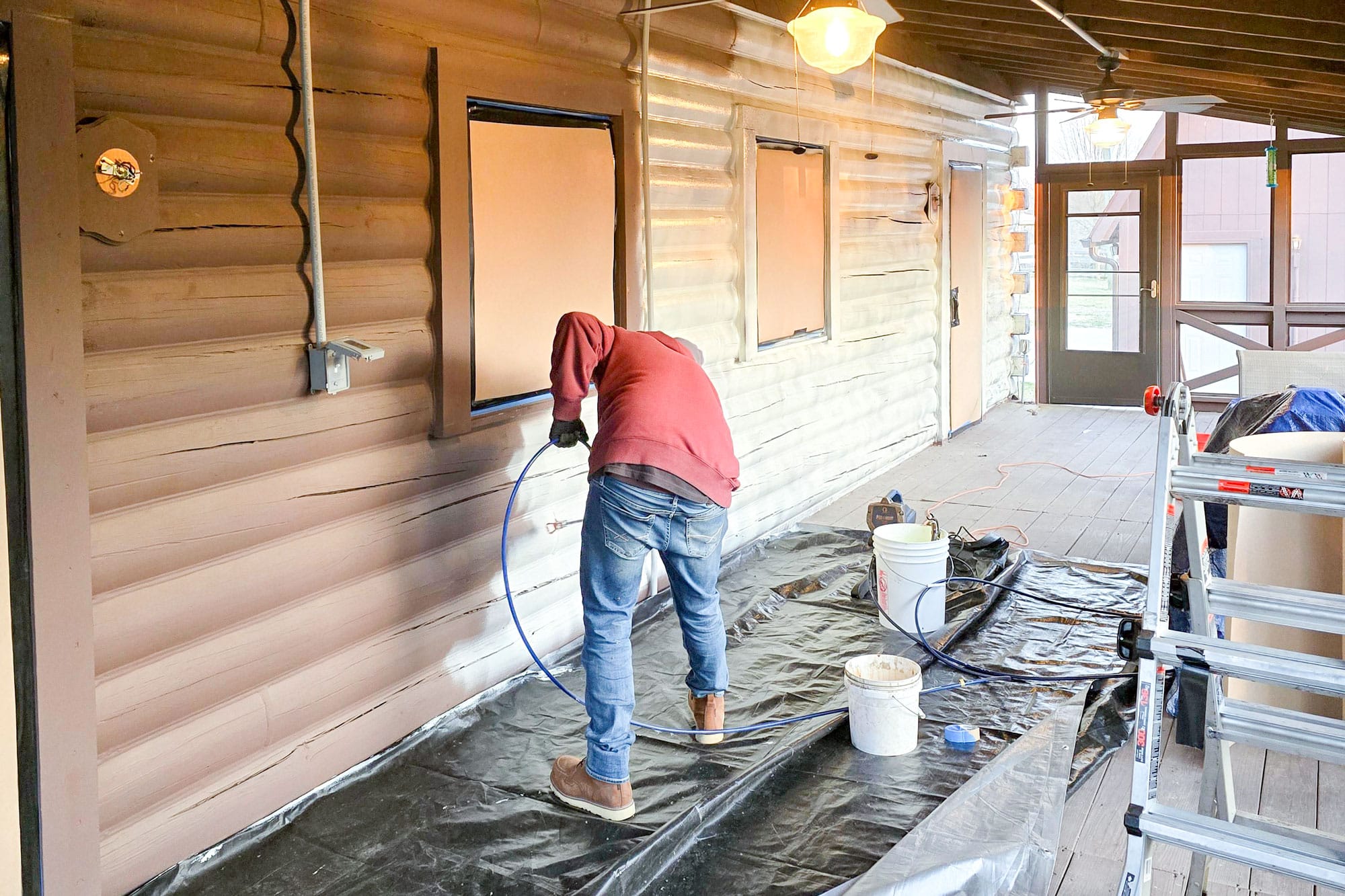
Protects the Natural Log Profile
Chemical stripping logs preserve the wood’s original texture without the abrasion of aggressive sanding. Conditioning the logs after stripping further aids this process.
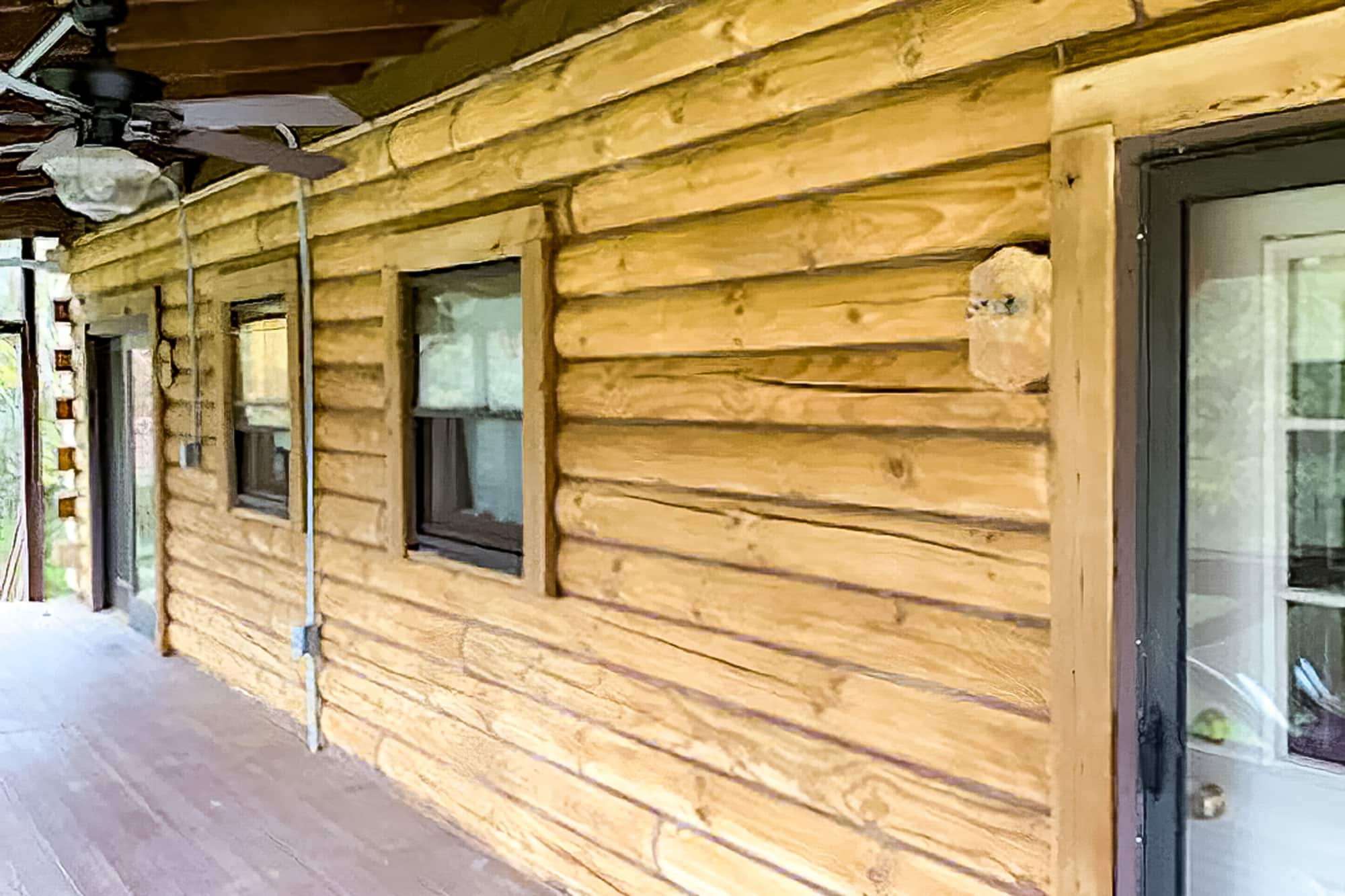
Prepares Wood for Proper Refinishing
Once old finishes are removed, the logs can properly absorb the new stain. This improves adhesion and long-term performance.





How Our Log Home Chemical Stripping Process Works
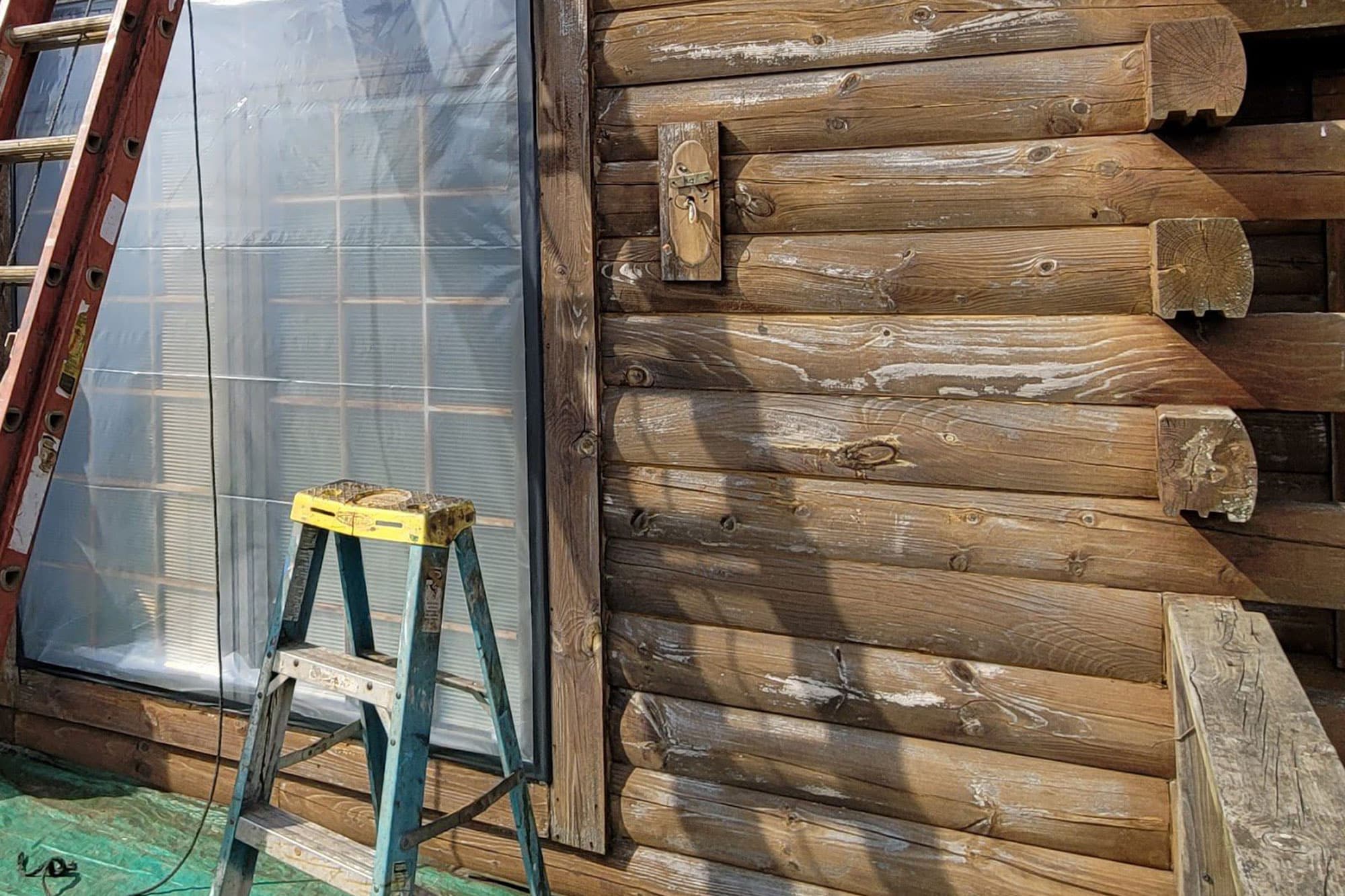
Step 1: Protect & Mask Surrounding Areas
When necessary, we mask off painted surfaces, gutters, windows, and sensitive areas to protect them during the chemical stripping process.
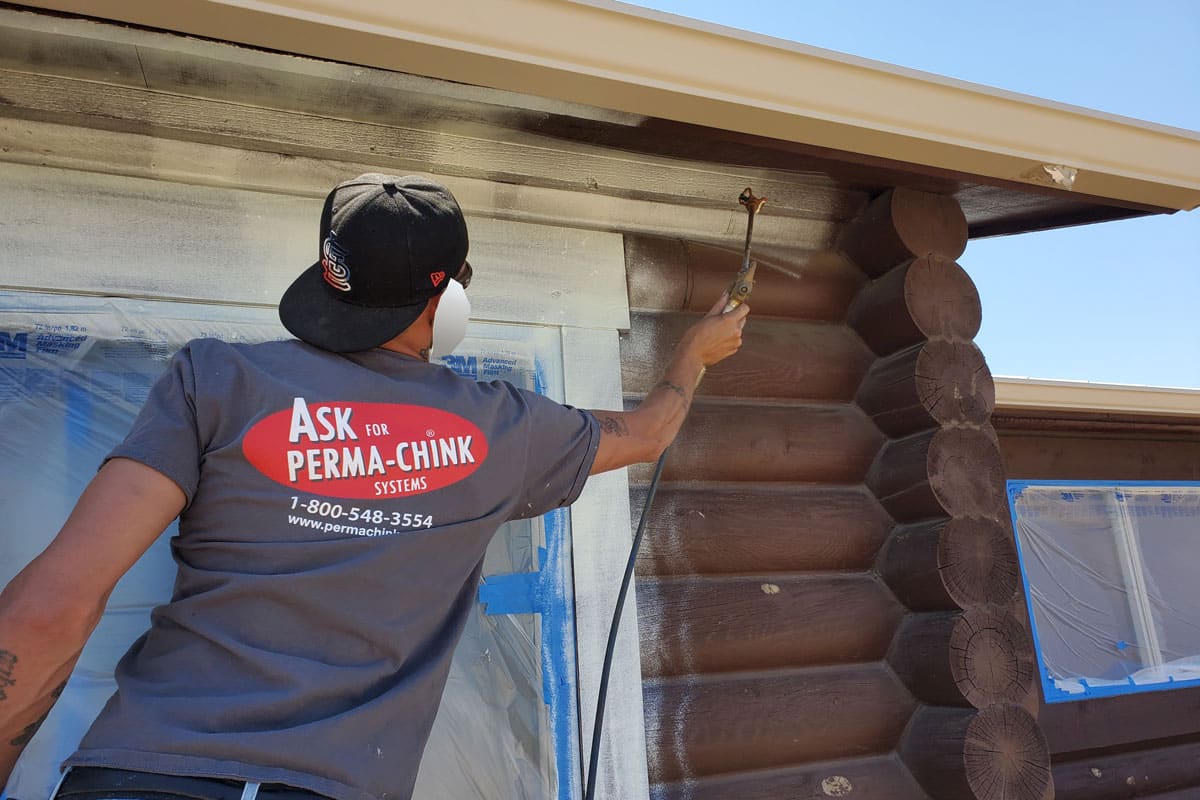
Step 2: Apply the Stripping Agent
We spray or brush on the appropriate wood-stripping chemical and allow it to dwell for the required time to break down coatings.
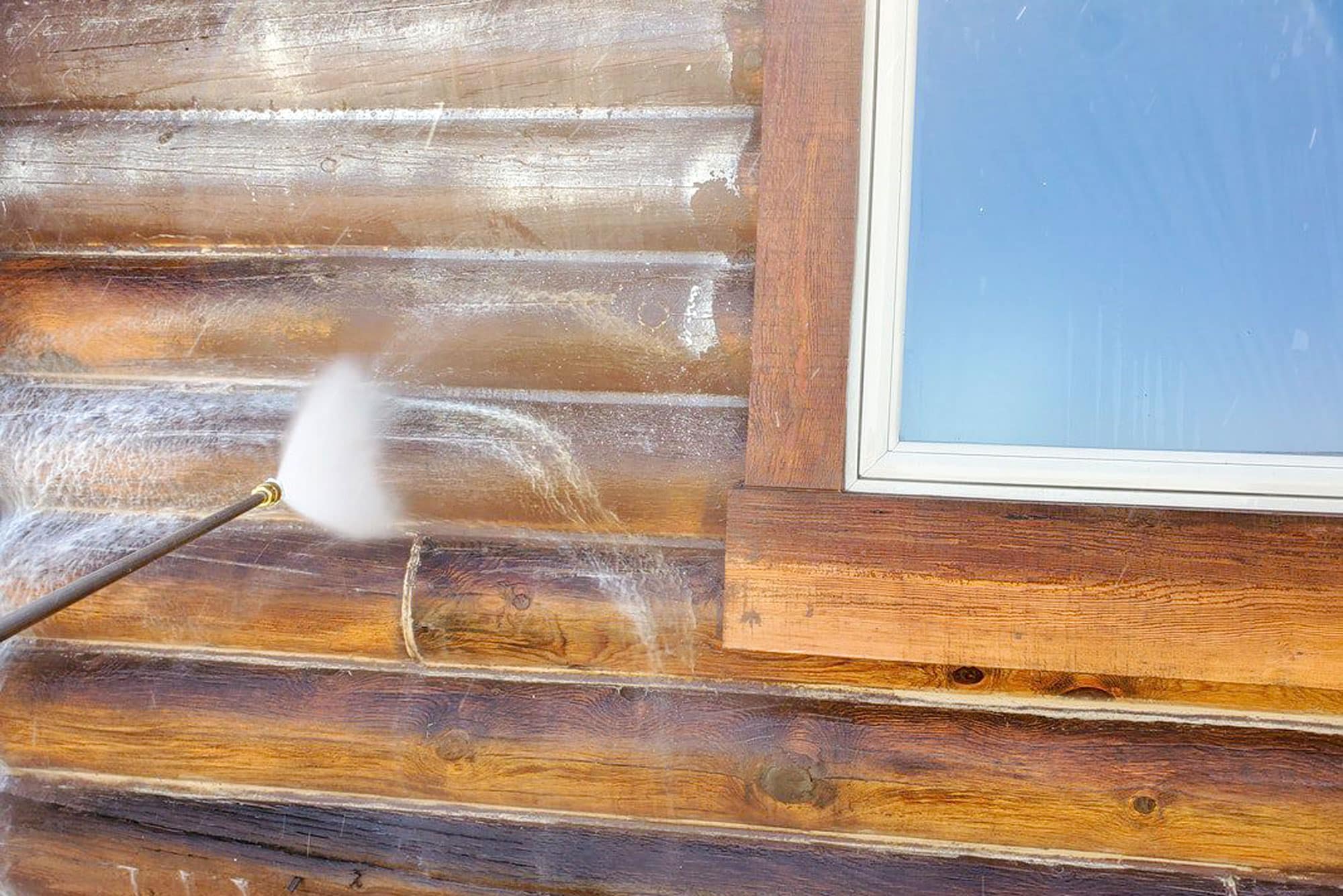
Step 3: Controlled Pressure Washing
After the dwell time, we carefully pressure-wash the surface to remove loose coatings and expose the natural wood.
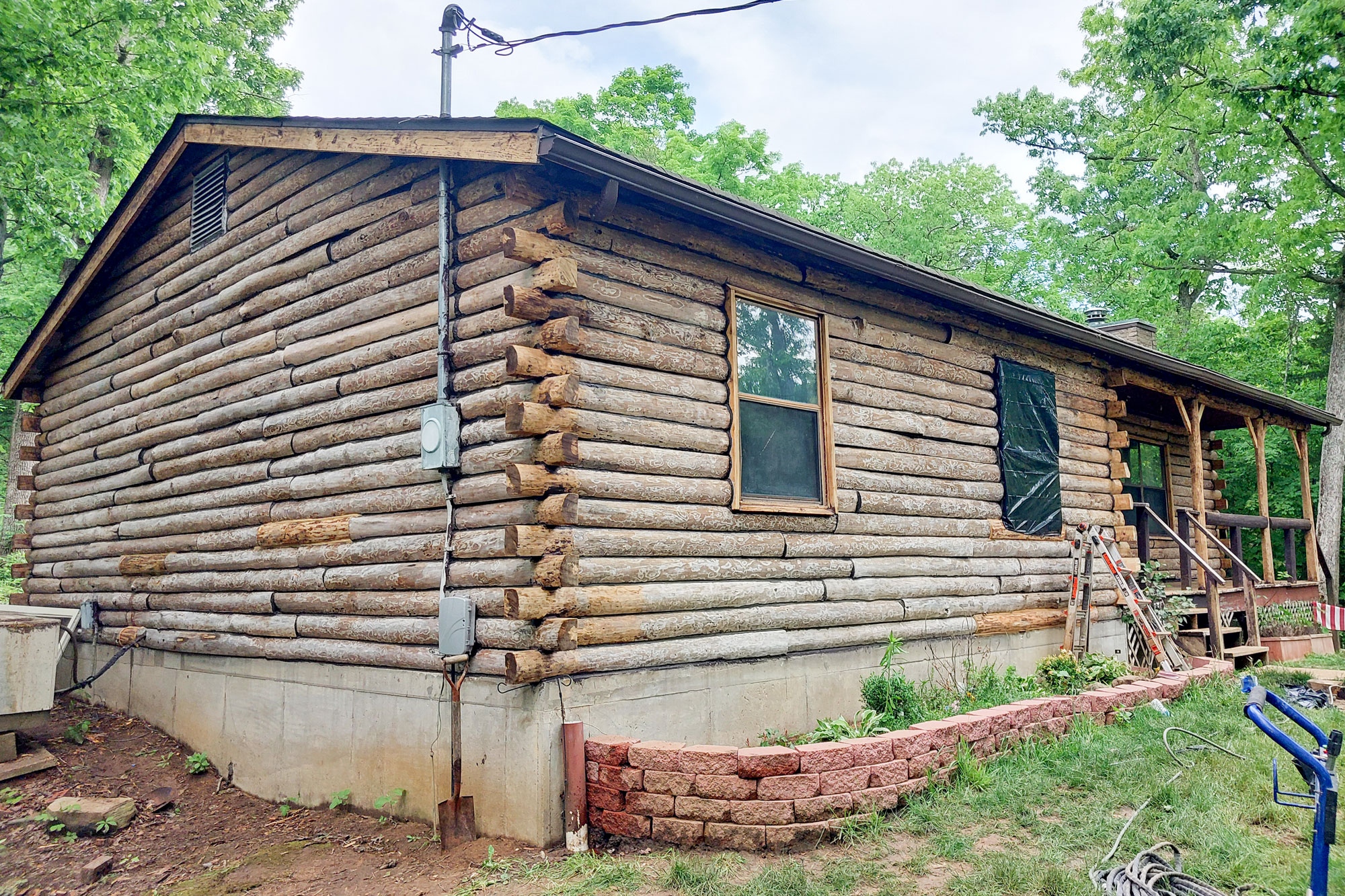
Step 4: Log Wash Treatment
We apply a specialized log home wash to neutralize the wood’s surface and restore proper pH balance after stripping. This removes any remaining residue and prepares the logs for optimal stain adhesion and long-term performance.
Step 5: Borate Wood Preservative
We treat the entire structure with a 10% borate solution to protect against termites, insects, and fungi before refinishing.
Why Log Home Owners Trust Log Masters for Chemical Stripping
We Use Log-Specific Stripping Systems
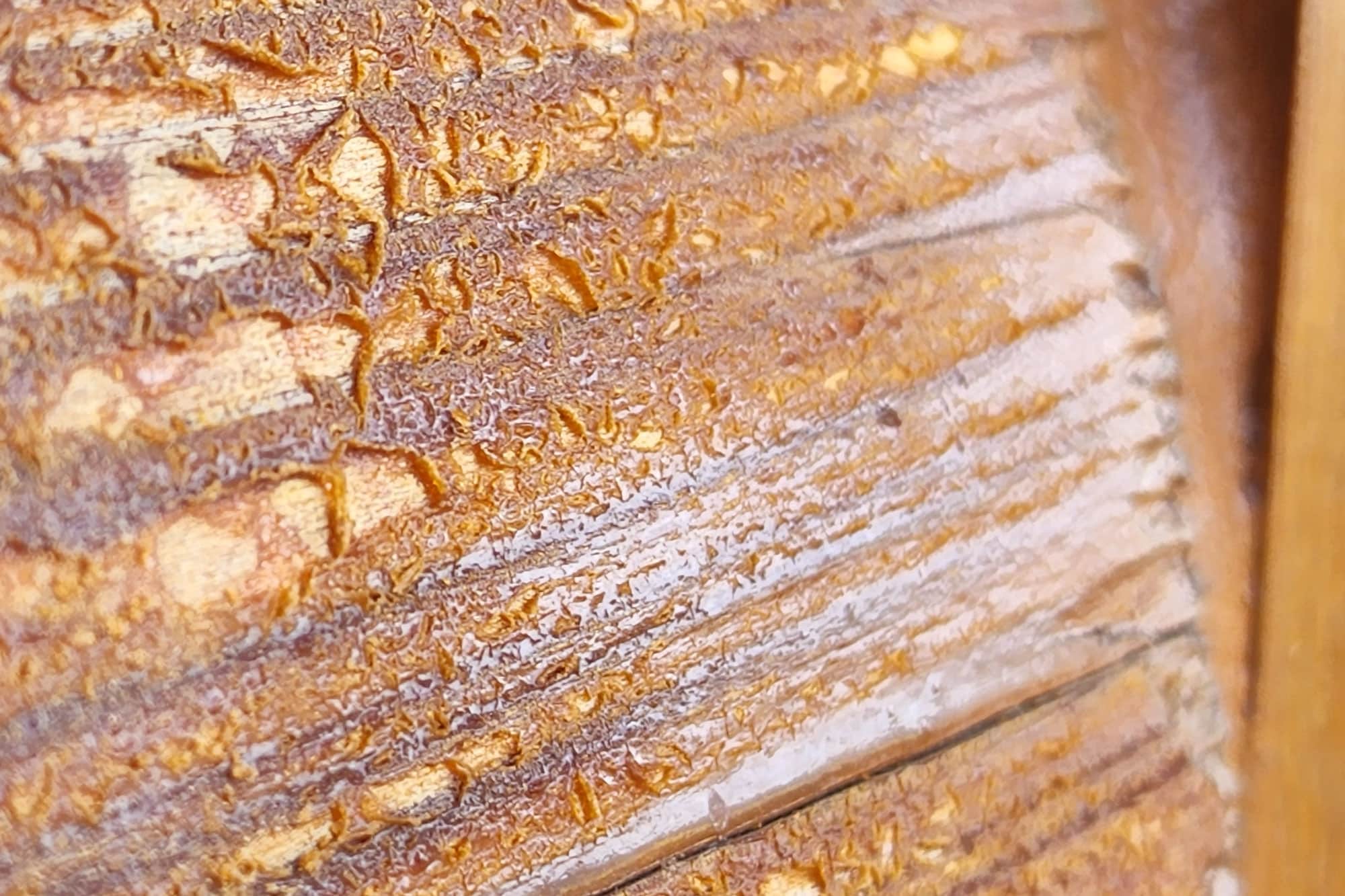
Not all paint remover products are appropriate for log homes. We use professional-grade chemical stripping systems designed for exterior log structures.
We Evaluate Blasting vs Chemical Stripping
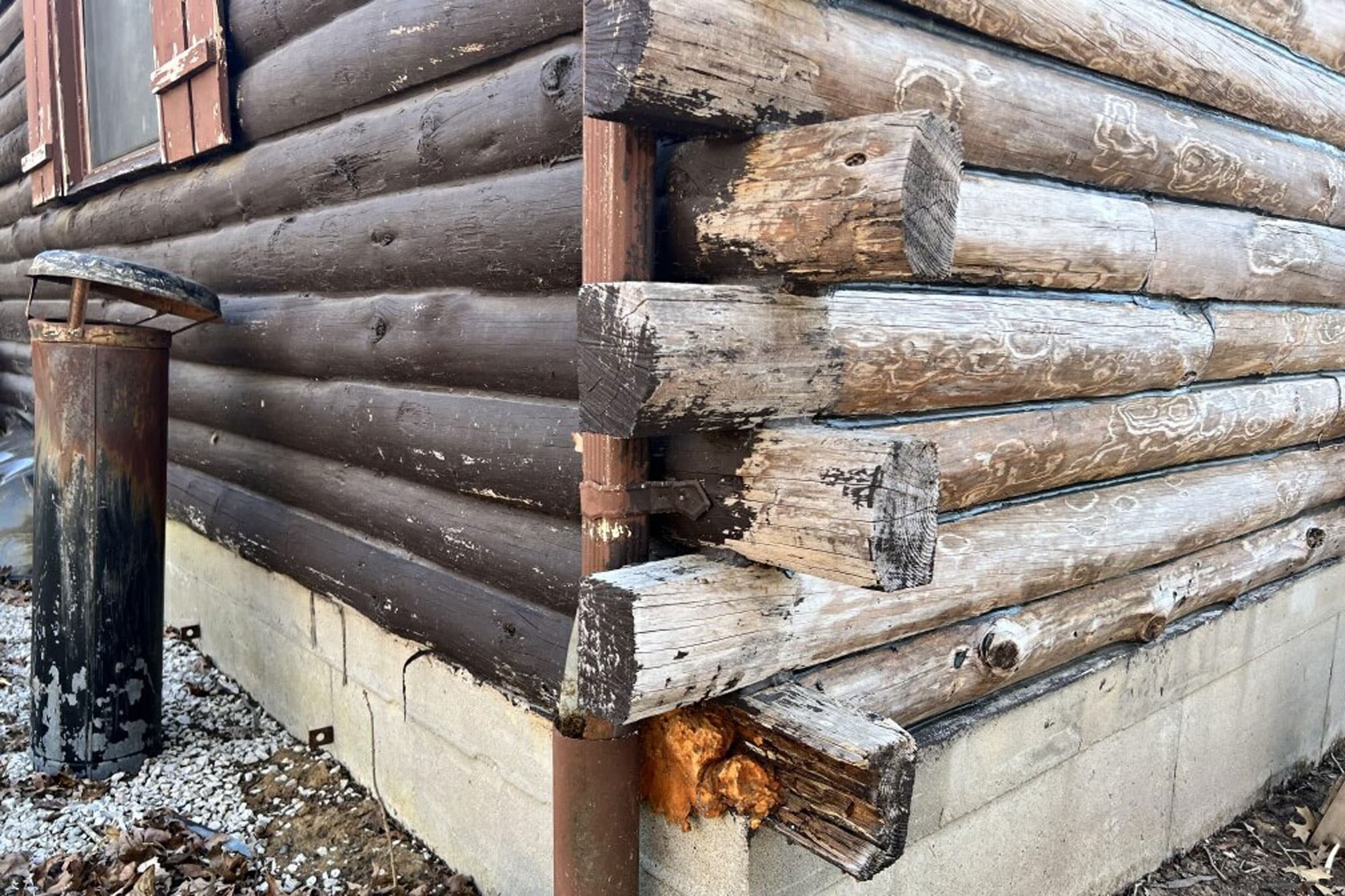
Every home is different. We assess whether chemical stripping log home applications or blasting is the better solution based on coating type and wood condition.
We Focus on Proper Preparation
Successful refinishing depends on proper surface prep. Our home chemical stripping process ensures logs are clean, neutralized, and ready for stain.
Ready to restore your logs the right way?


For new log homeowners - brace yourself because quality work in this space is expensive and hard work. Our quote came in at more than six figures, but we felt confident that the job would be done well and set us up for our decades to come in this house.
The team was on site for the better part of 6 weeks, away from their families and hard at work day in and day out. The results were truly transformative. The house began in gray latex paint, and ended up well-sealed and coated in a wonderful coat of stain. Our neighbors showered us with compliments for getting the house redone the way a log home is meant to look.
By the end of LMR's time with us, the crew was like a part of our extended family, and it was hard to see them go. I can't recommend this company highly enough.

Learn More About Log Home Stain Removal
Other Log Master Services You May Need
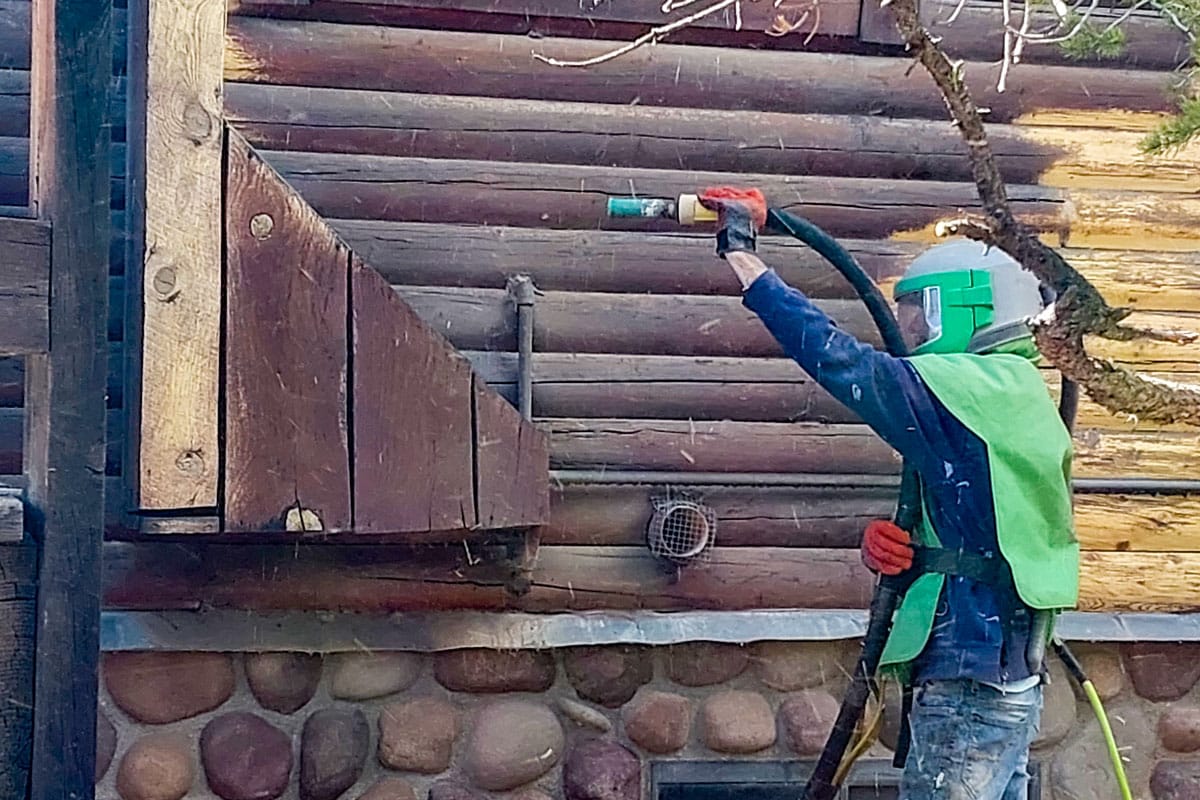
Media Blasting
We use controlled media blasting to safely remove old coatings while preserving the integrity of the logs. Pressure, media type, and technique are adjusted specifically for each home.
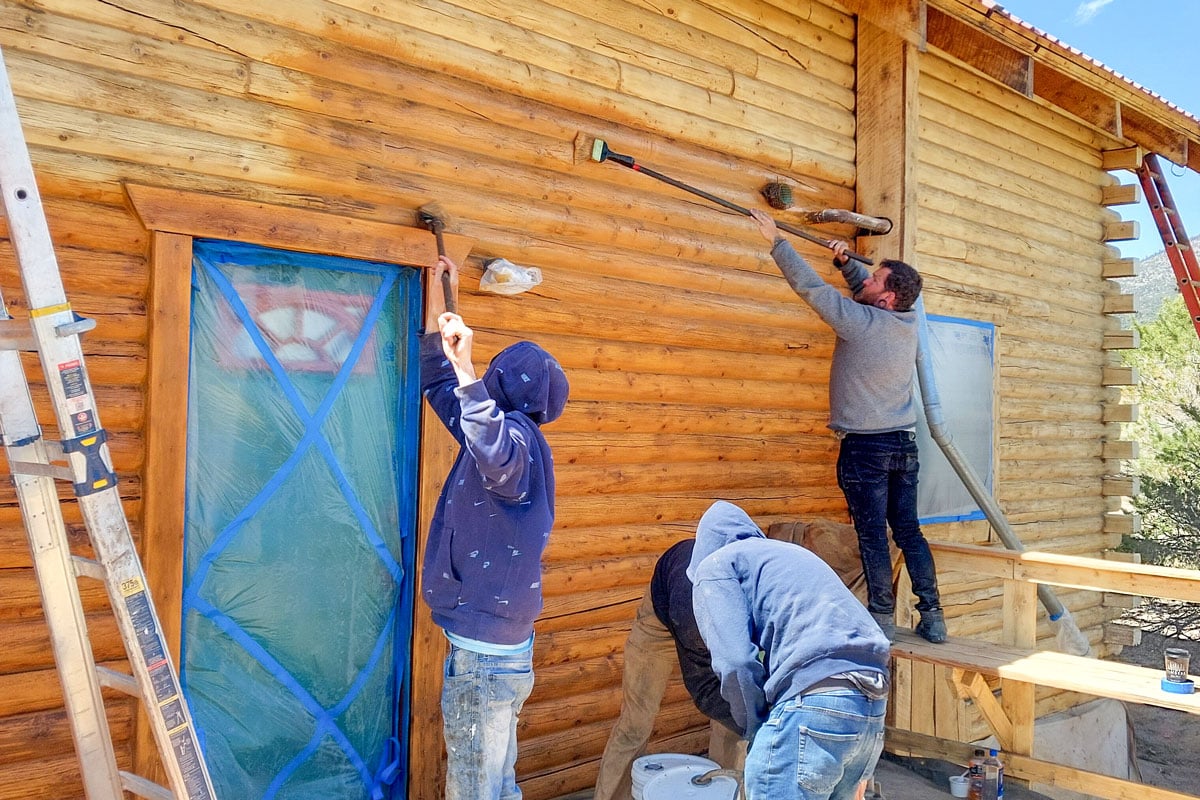
Staining
We apply premium log‑home‑specific stain systems designed for log construction. Application methods are adjusted to match wood condition, climate exposure, and project needs.
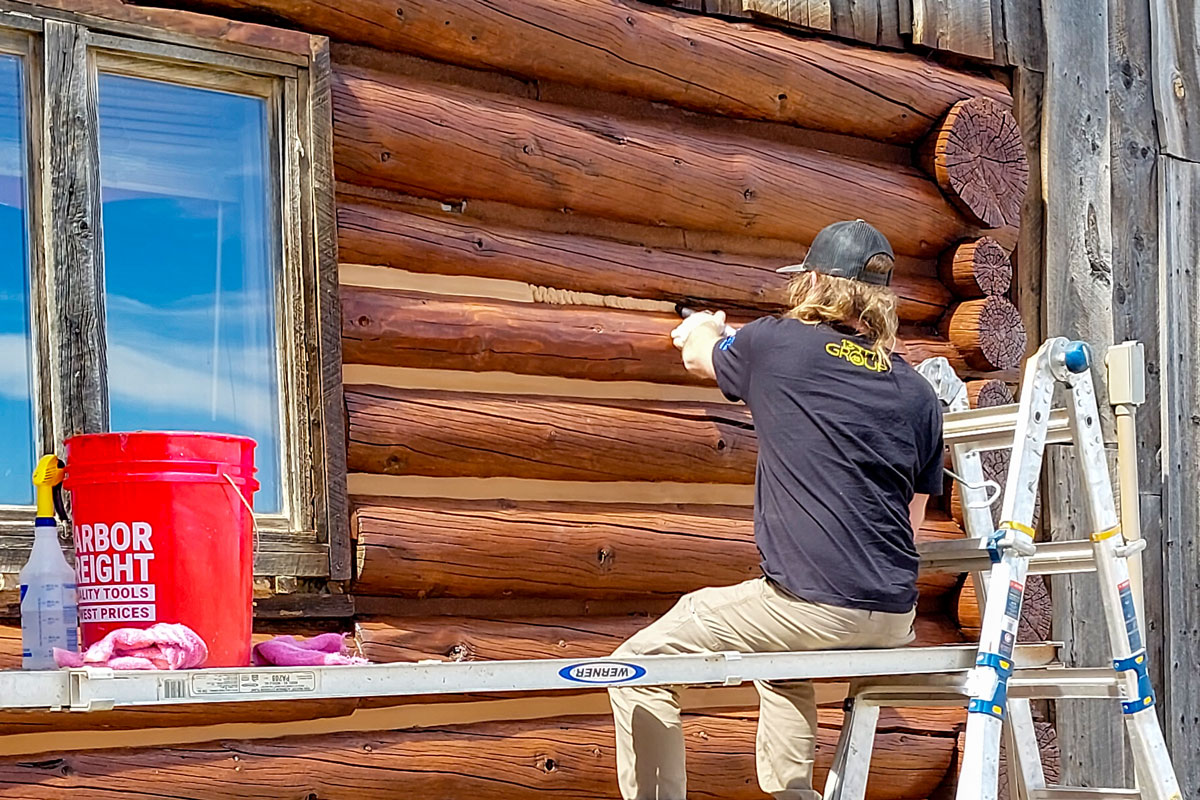
Chinking
Some log homes use chinking between courses for structural sealing, weather protection, or aesthetic design. Proper adhesion, depth, and flexibility are critical for long‑term performance.
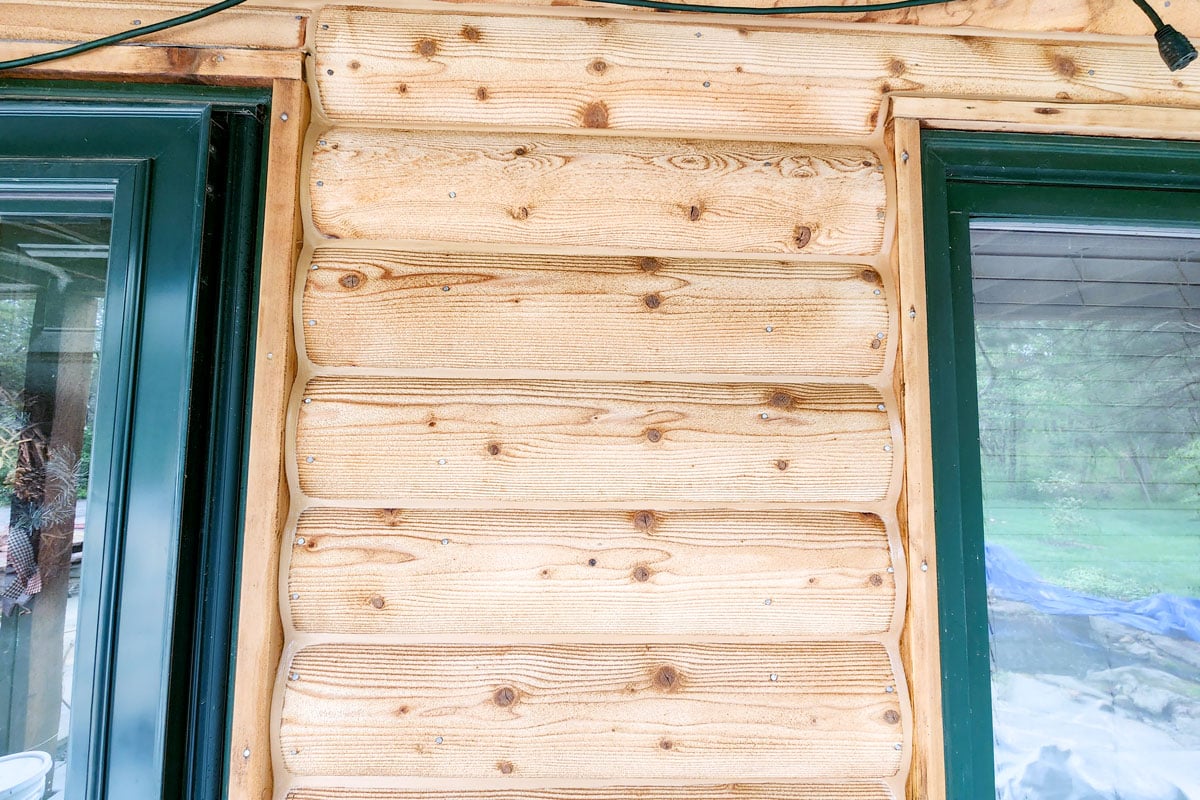
Caulking
Most log homes rely on caulking at joints, around windows and doors, checks, and transition areas. Proper application requires correct joint preparation, backing material placement, and flexible sealant systems designed specifically for log construction.
Log Rot Repair
Proper repair removes compromised wood, corrects the root cause of deterioration, and restores structural integrity so deterioration does not continue.
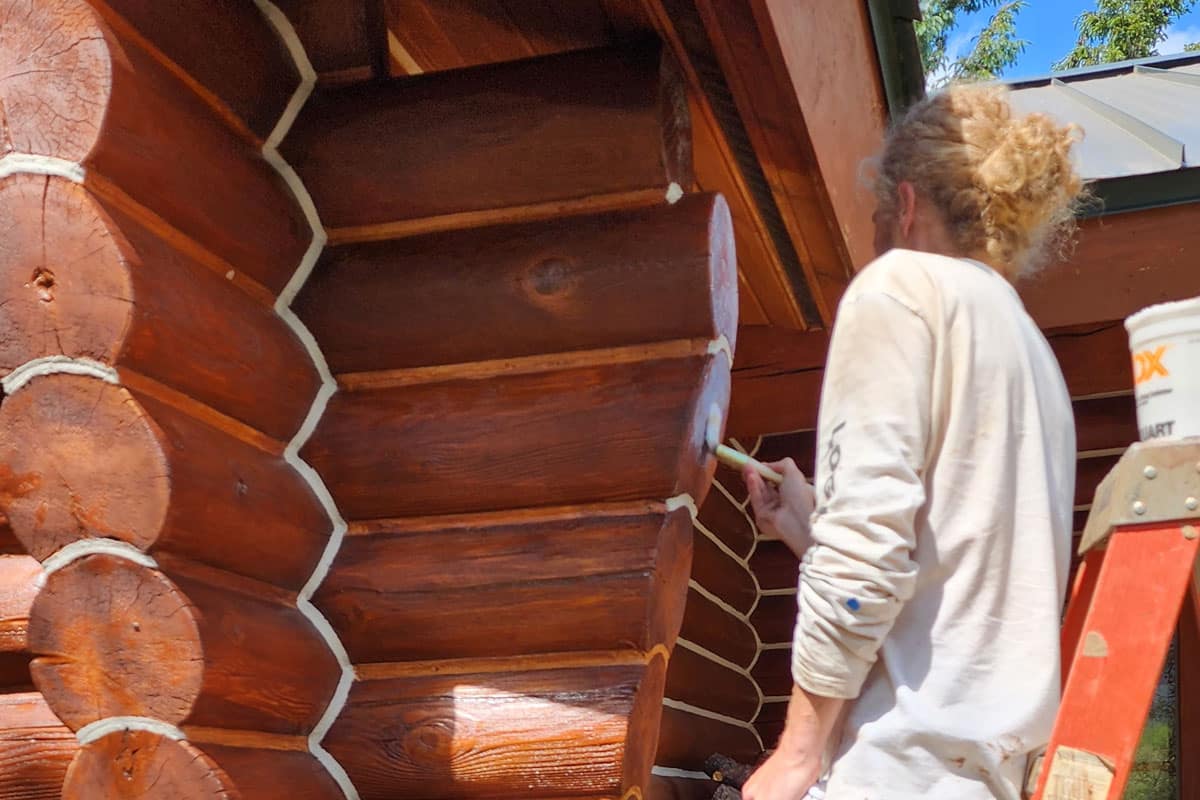
Log Home Maintenance
We will help you preserve the beauty and performance of your log home through annual inspections and minor repairs using the highest‑quality products and exceptional craftsmanship.
Don’t Refinish Over Failing Coatings
Applying a new stain over peeling or incompatible finishes leads to premature failure. Proper stain removal is the foundation of a successful restoration.
If your home needs professional chemical stripping, we can help determine the safest and most effective approach.
Common Questions About Chemical Stripping for Log Homes
What is chemical stripping for a log home?
Chemical stripping is the process of using a wood stripping chemical to break down old stain or paint so it can be safely removed from log surfaces.
When is log home chemical stripping necessary?
Chemical stripping is typically needed when a stain or paint is peeling, heavily layered, or incompatible with new finishes.
Is blasting better than chemical stripping?
Blasting vs chemical stripping depends on the condition of the logs and the type of coating present. Some homes benefit more from chemical wood stripping, while most require media blasting.
Does chemical stripping damage the wood?
When performed properly using the best wood stripping chemical and controlled rinsing, chemical stripping logs is safe and preserves the wood’s profile.
Can I use a regular paint remover on my log home?
Most standard paint remover products are not designed for exterior log structures. Log home chemical stripping requires professional-grade systems and proper neutralization to maintain the wood’s pH.
Is chemical stripping messy?
The process requires masking and containment, but professional home chemical stripping is carefully managed to protect surrounding areas.
How long does stain removal take?
Project timelines vary depending on coating thickness, surface area, and weather conditions.
What happens after chemical stripping?
After stain removal, the logs are washed, treated, and prepared for refinishing to ensure long-term performance.