Log Rot Repair & Log Replacement for Log Homes
Professional Log Cabin Rot Repair Done the Right Way
Rotting Logs Are More Than Cosmetic Damage
When you see soft spots, dark staining, or cracking along your logs, it’s often more than surface wear. Log rot spreads quietly beneath the finish, weakening the structure over time.
Wood rot forms when moisture becomes trapped inside the log, and fungal growth begins to break down the fibers. Left untreated, rotting logs can compromise structural integrity and lead to costly repairs.
Repairing rot in log homes is not something to delay. Whether it’s minor deterioration or advanced log cabin rot, early intervention protects your home and prevents further damage.
What Log Rot Is — And How It’s Repaired
Log rot is a form of wood rot caused by moisture intrusion and fungal activity. It often develops around lower courses, near gutters, beneath windows, or where stain has failed.
Signs of log rot include:
Soft or spongy wood
Crumbling or chipping surfaces
Deep cracks with dark interior wood
Visible fungal growth
Insect activity around bad logs
Visible log rot often means the damage runs deeper, and the log may need a more costly full replacement.
Log rot repair involves removing all compromised wood and replacing it with structurally sound material. Depending on severity, this may involve partial log repair or full log replacement.
If less than half of the log is damaged, log cabin rot repair can often be completed with a half-log replacement. If more than half of the log is compromised, full log replacement is typically recommended.
Not sure how serious your rotting wood is?
What Log Repair & Replacement Does for Your Home
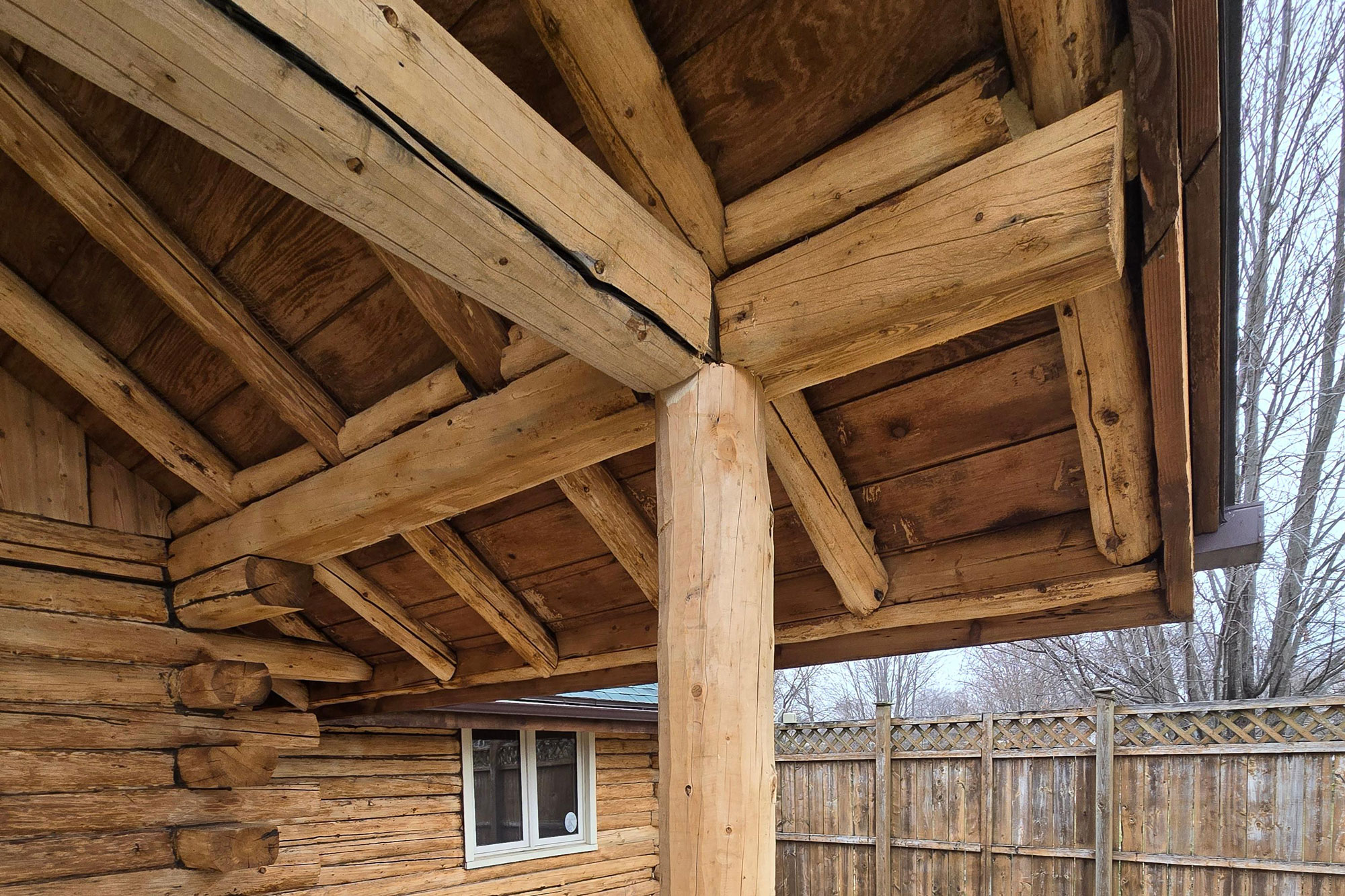
Restores Structural Integrity
Repair log home rot before it spreads. Proper log repair stabilizes weakened areas and prevents further deterioration.
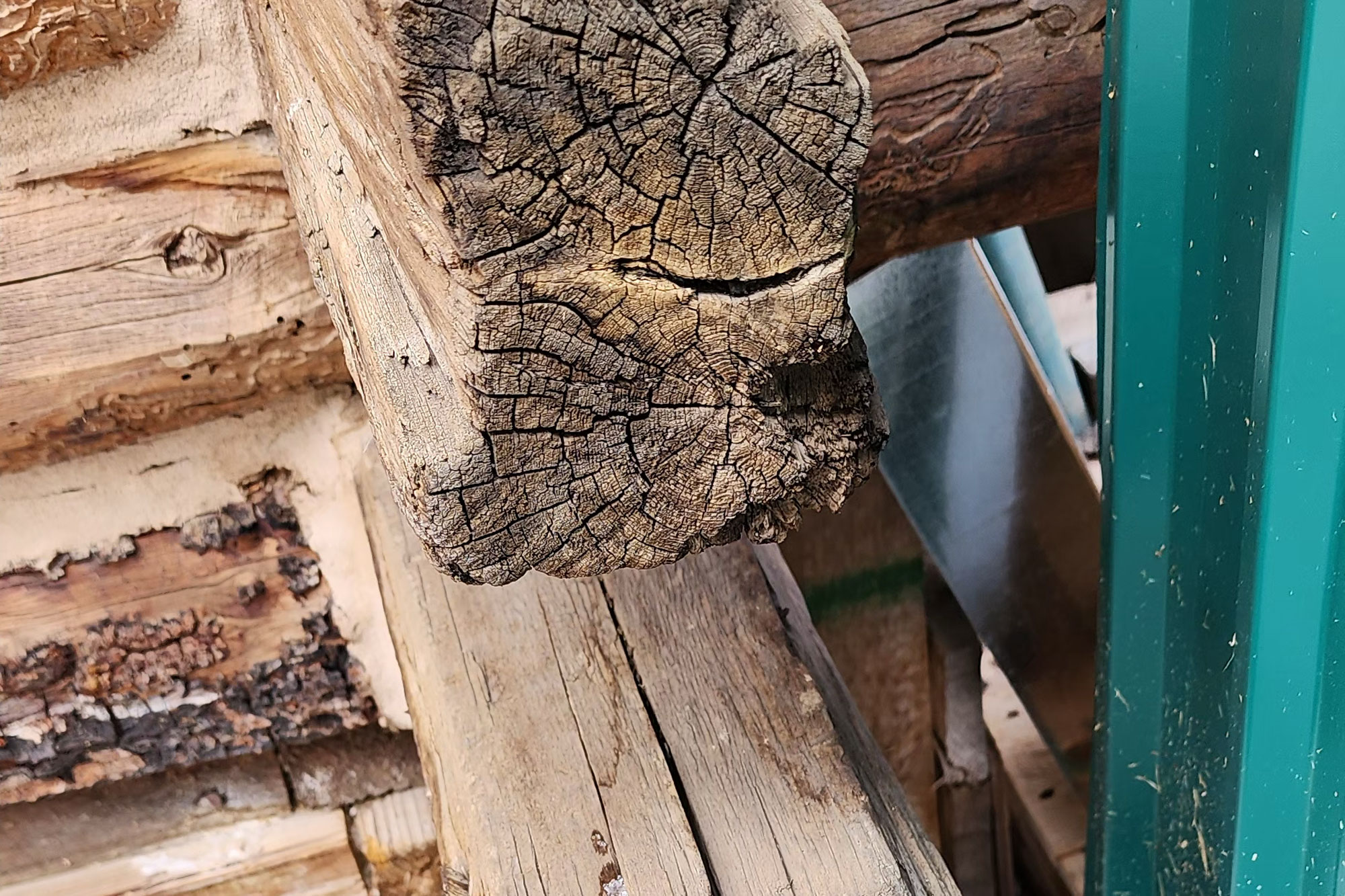
Eliminates Active Wood Rot
Removing all rotting wood ensures fungal growth is stopped at the source and does not spread to surrounding logs.
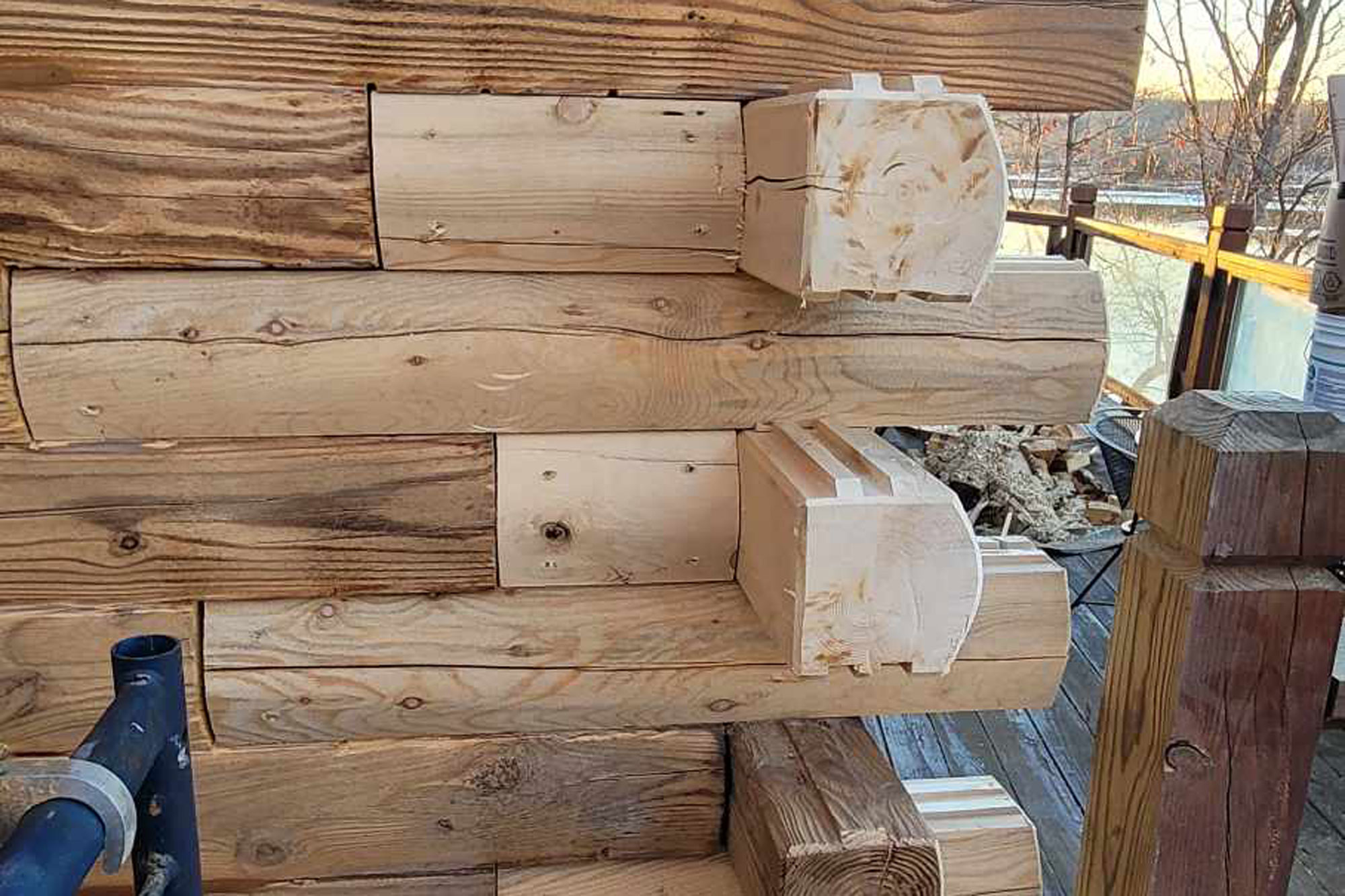
Protects Against Future Damage
After log replacement, seams are sealed, and the surface is prepared for staining, reducing future moisture intrusion.




How Our Log Repair & Replacement Process Works
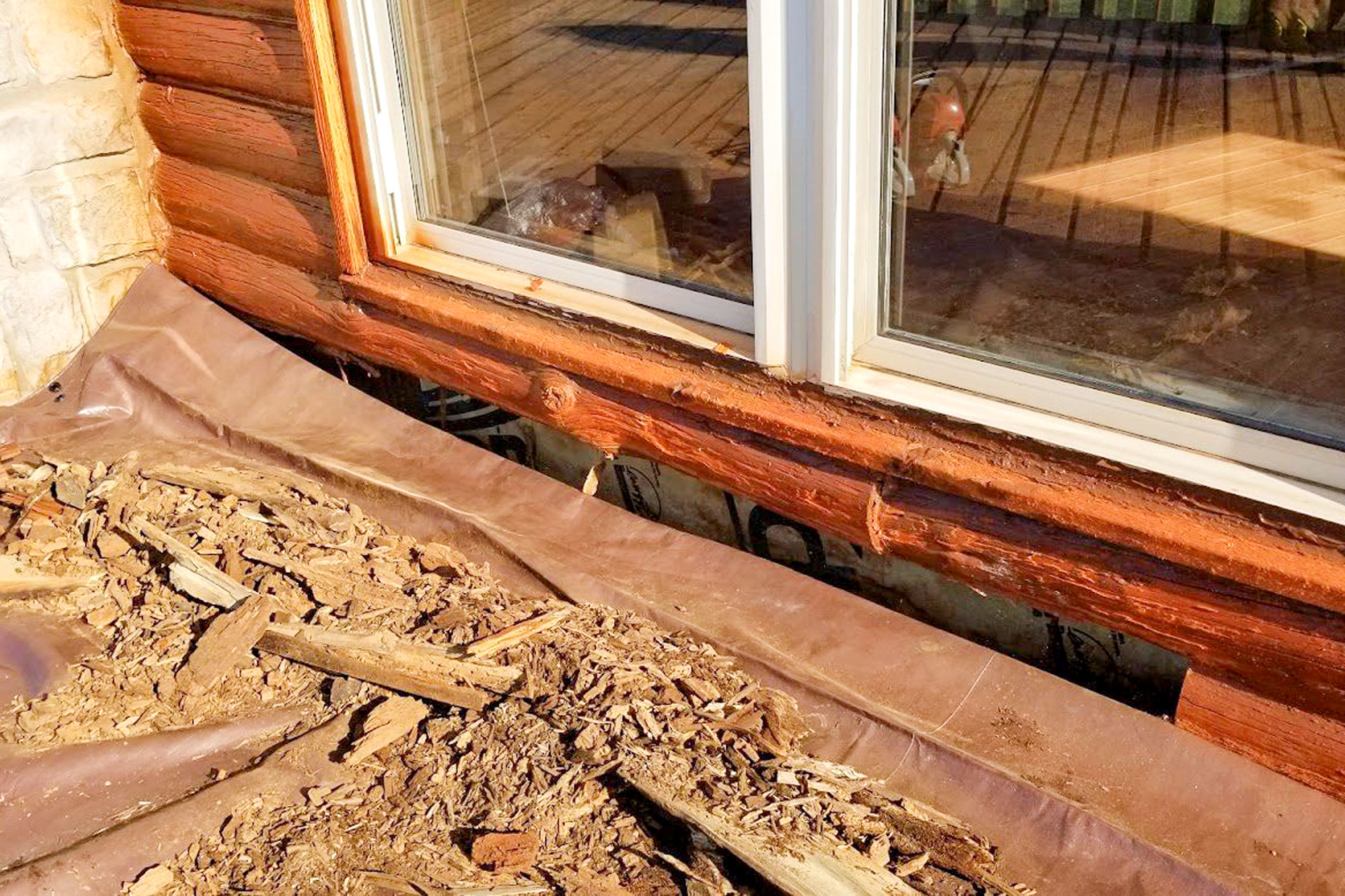
Step 1: Evaluate the Extent of the Damage
We inspect the affected area to determine whether the rotting logs require partial log repair or full log replacement. The decision depends on how deeply the wood rot has spread and how much structural integrity remains.
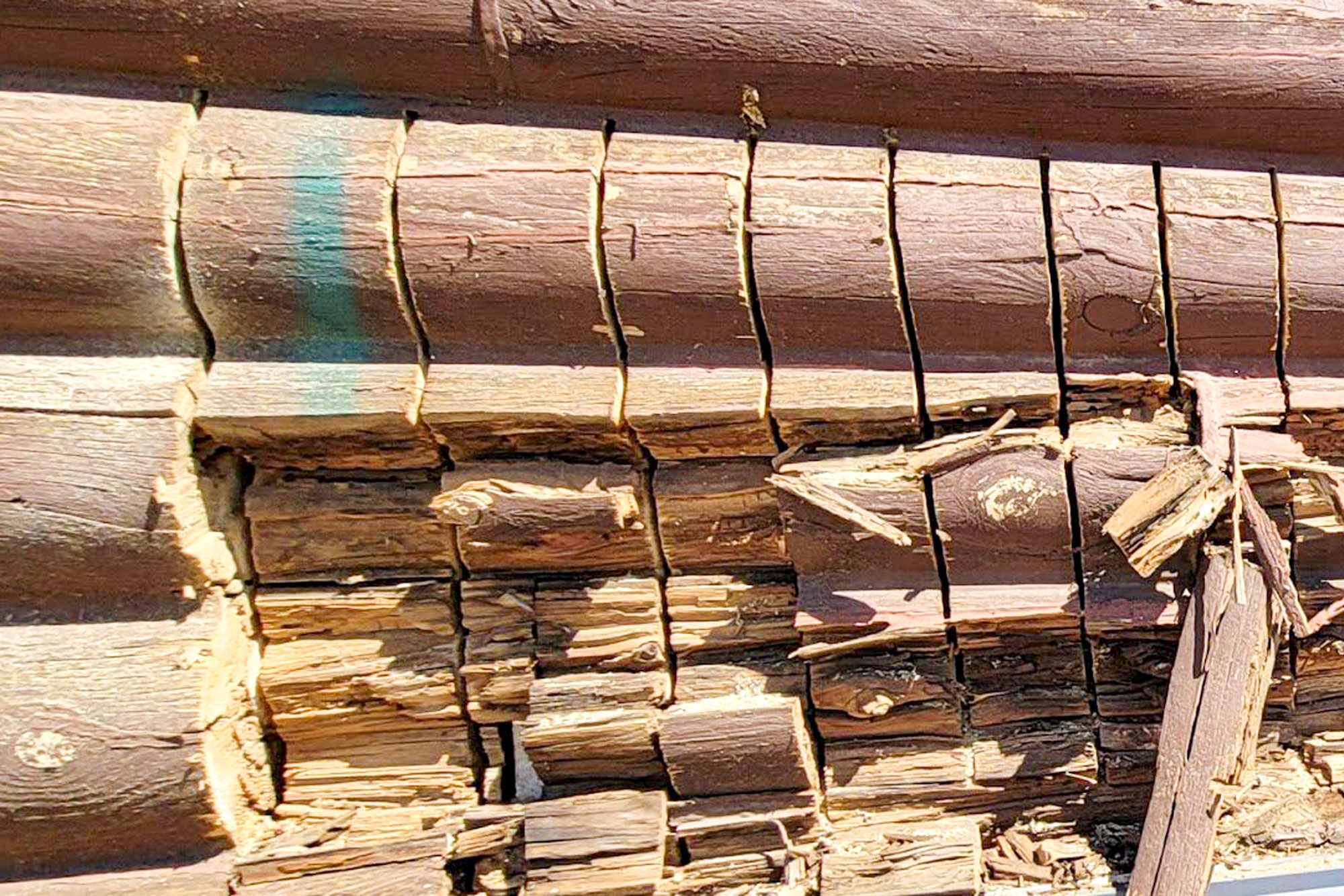
Step 2: Remove All Compromised Wood
Damaged sections are carefully cut out and removed. If less than half of the log is affected, a half-log replacement may be installed. If more than half is compromised, full log replacement is performed to restore structural stability.
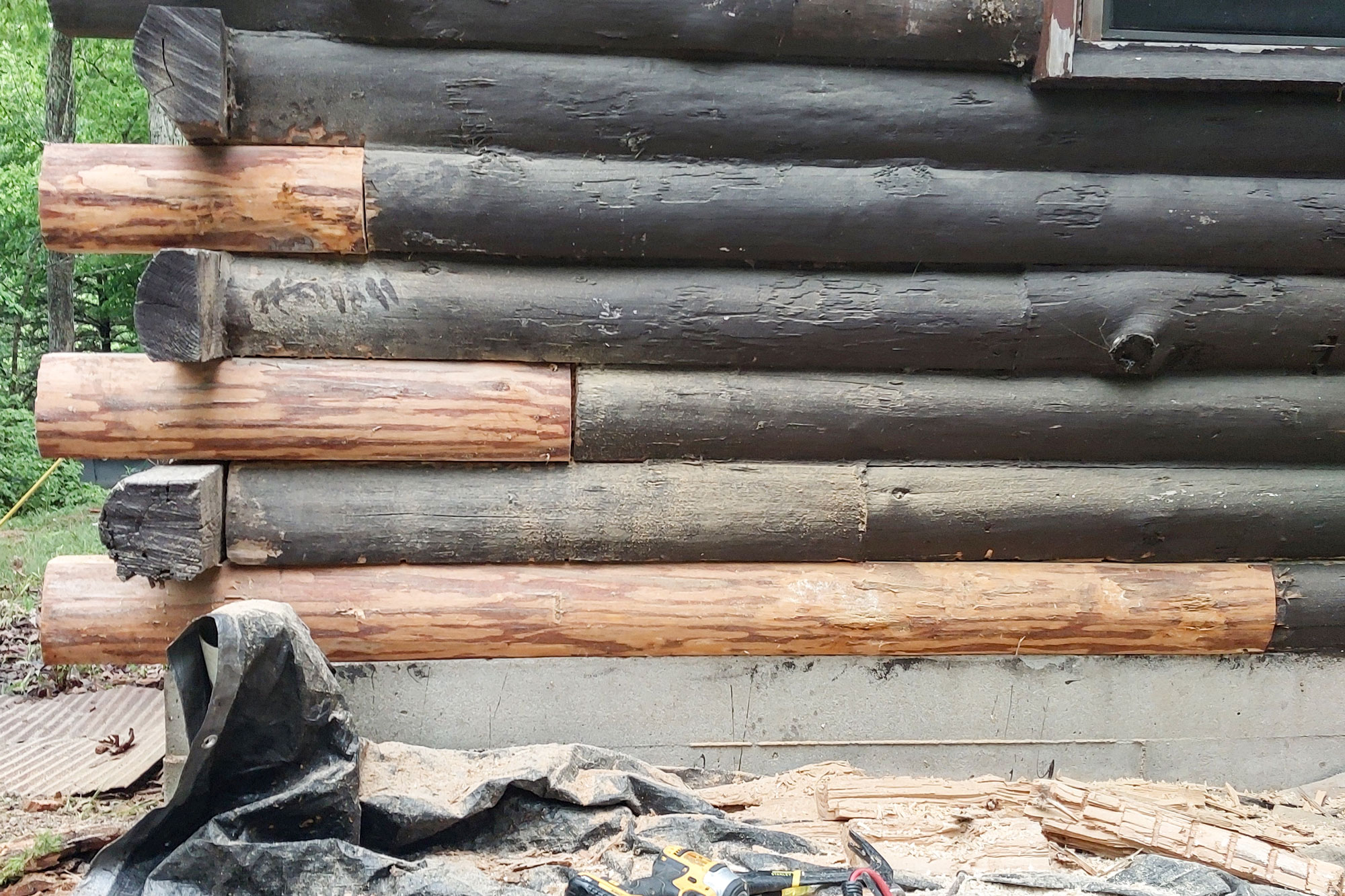
Step 3: Install & Secure Replacement Logs
New logs are cut and shaped to match the existing profile of your home. They are secured properly and integrated into the structure to ensure strength and long-term durability.
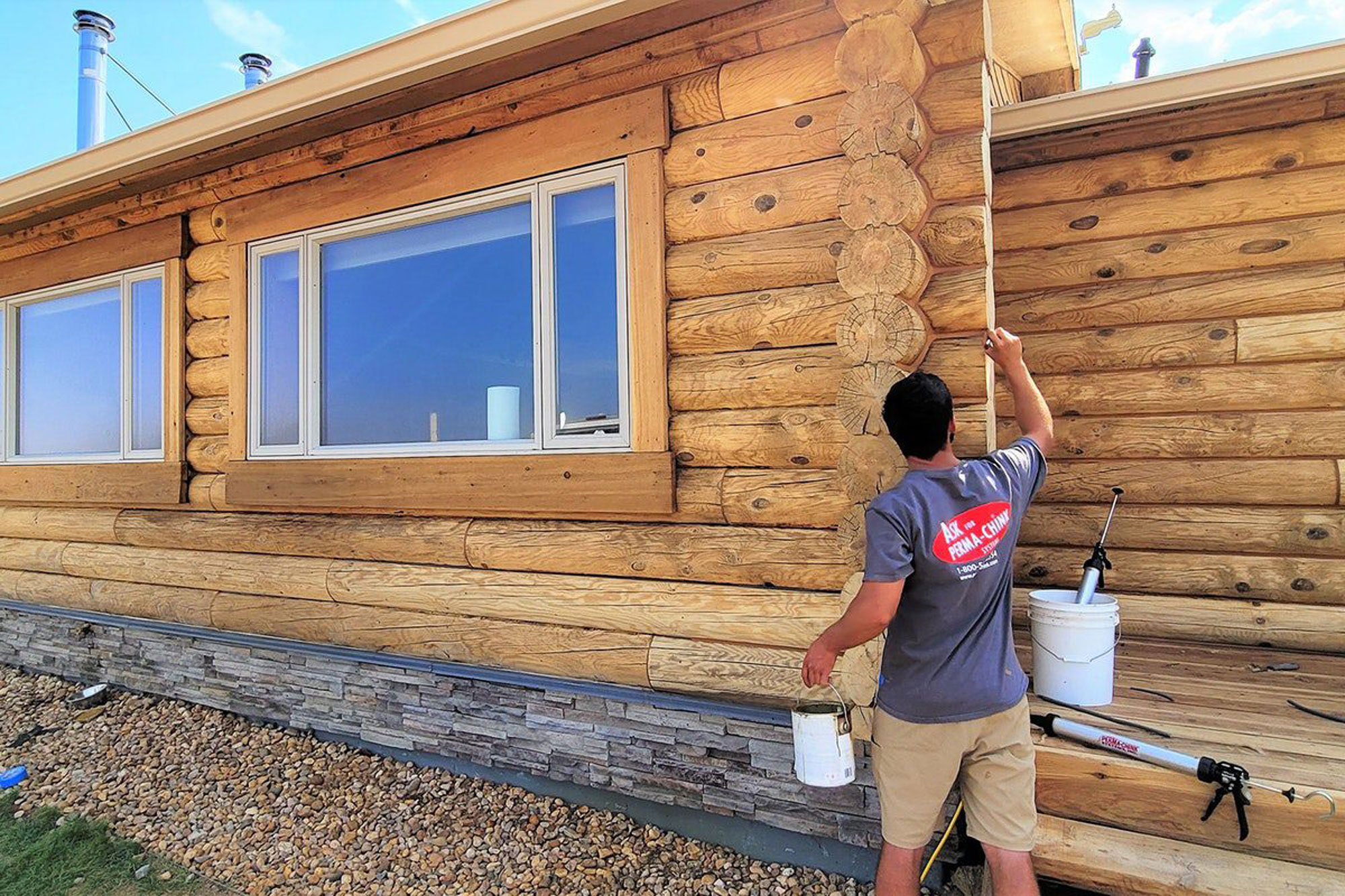
Step 4: Seal & Prepare for Protection
After installation, seams are sealed with appropriate chinking or caulking systems. The area is then prepared for staining so the repair blends seamlessly and remains protected.
Why Log Home Owners Trust Log Masters for Log Rot Repair
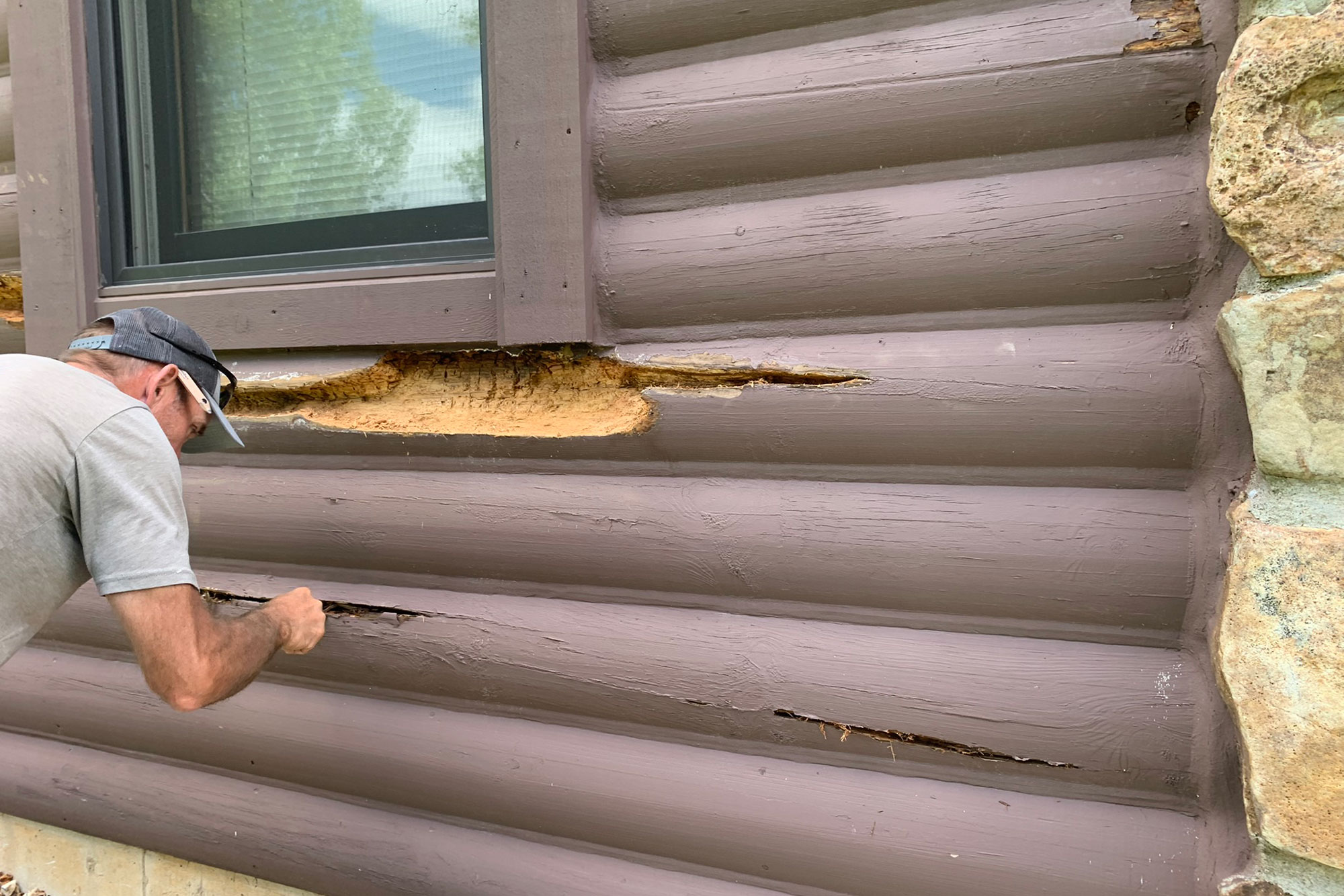
We Address the Cause, Not Just the Damage
We identify moisture entry points and ensure repairs prevent recurring rot.
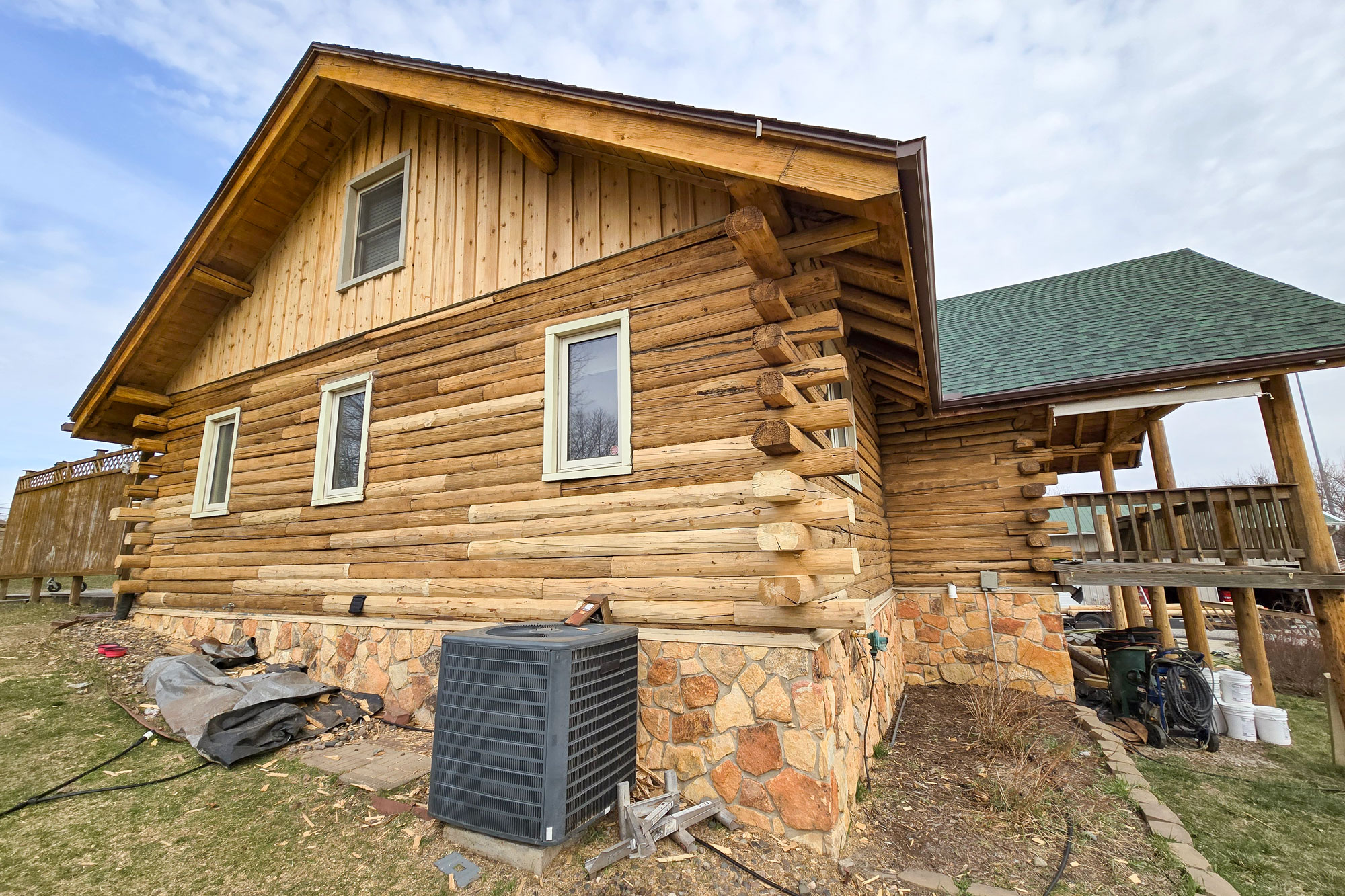
We Match Log Styles & Profiles
Different log styles require precision cuts and matching. We ensure seamless integration with existing logs.
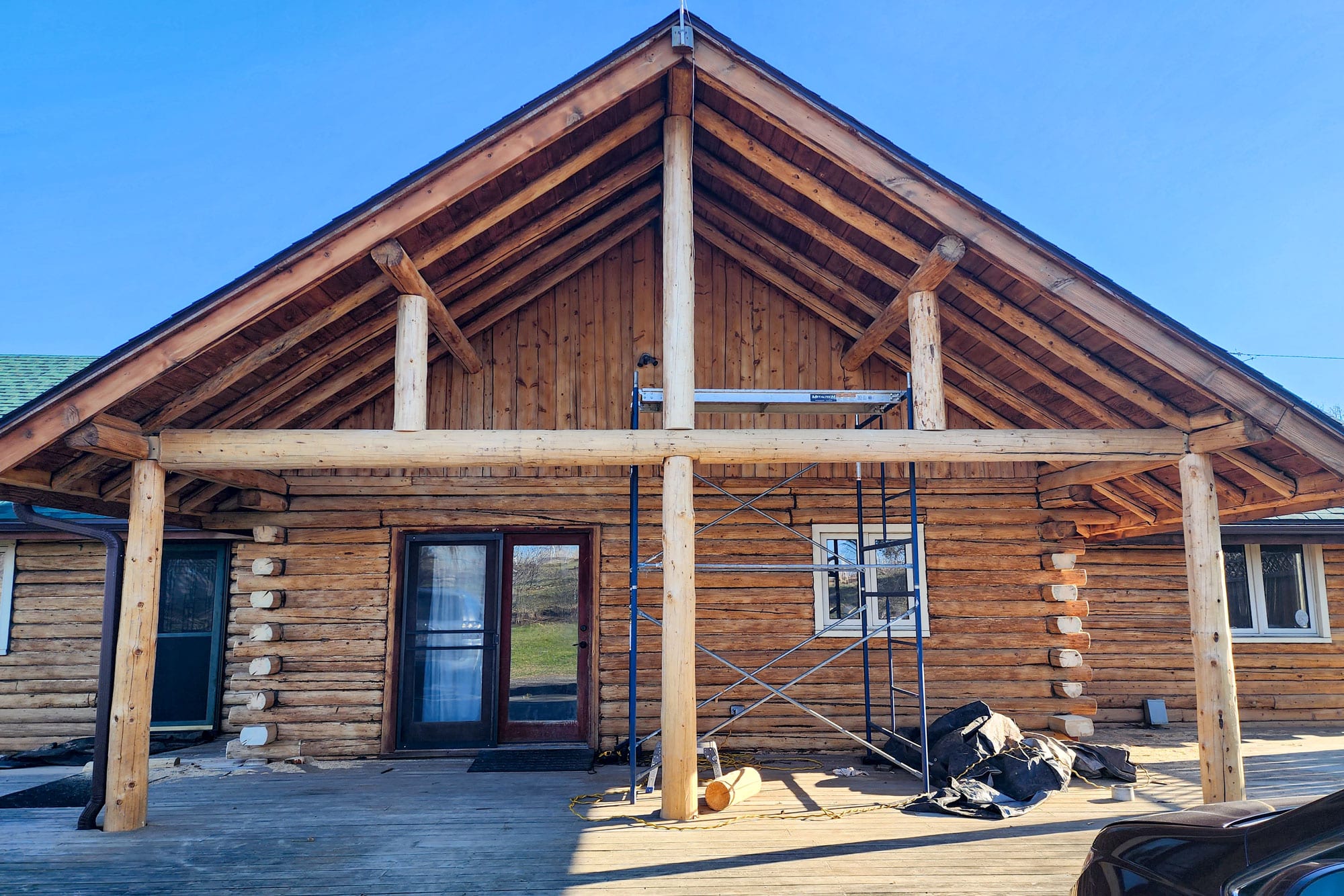
We Prioritize Structural Safety
Log replacement can involve significant structural movement. Our trained crews follow safe, controlled procedures to protect your home.
Ready to repair rotting logs before they worsen?












We found Scott and Nick to be VERY qualified craftsmen. The quality of the work exceeded our expectations......and these guys work hard!!!
While on site we had them help install 7 windows, 4 of which were 3rd floor height. We knocked this out in less than one day including set up of scaffolding several times. They also repaired some soffits and painted the garage door.
We’ve lived with the completed project for a couple of months now and I’ve yet to notice any defects at all. Paint lines on the trim are perfect and the consistency of the log stain is perfect as well.
The point being that these guys truly do restoration work. They are capable of just about any task required and aside from the high quality....the cost was Very reasonable.
Highly recommended. If you are considering a log refinish project don’t limit the scope to just the logs. If there are other issues that need to be addressed they can handle it and do a very good job!
Paul and Kathy B.


Learn More About Log Rot Repair
Other Services to Restore Your Log Home
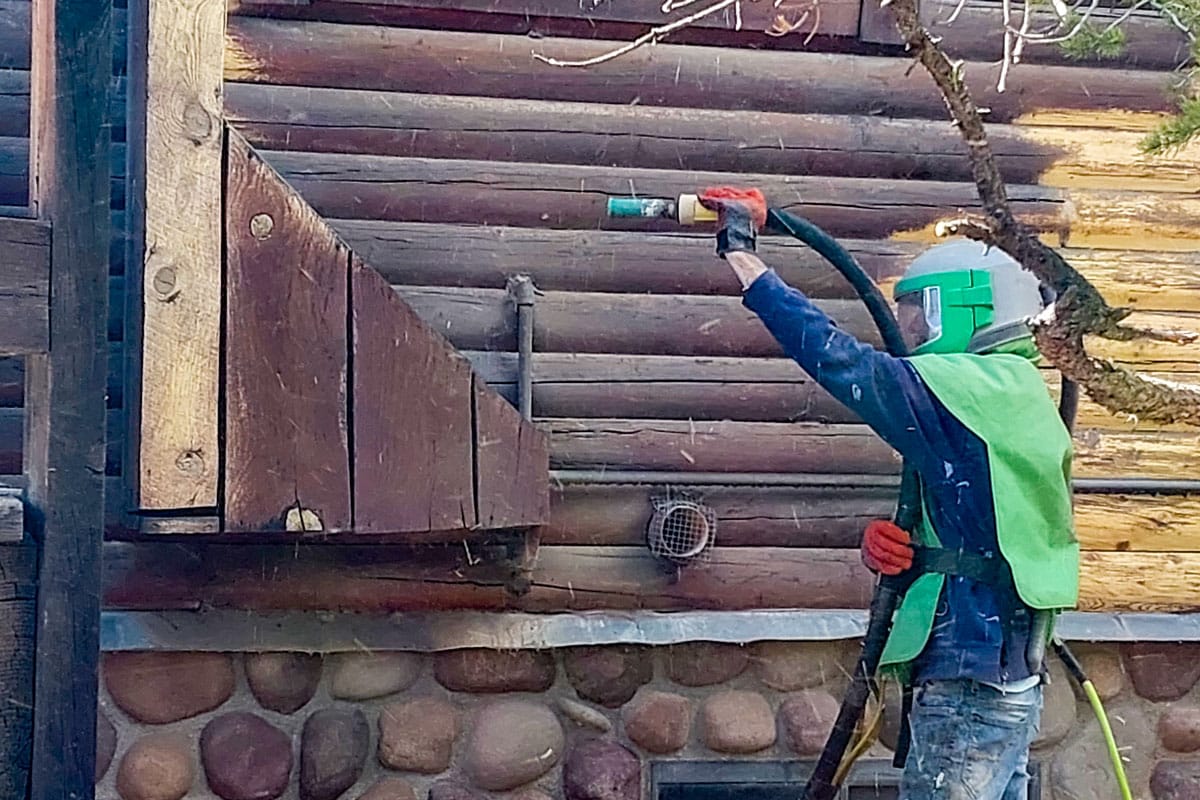
Media Blasting
Removes failing finishes to prepare logs for refinishing.
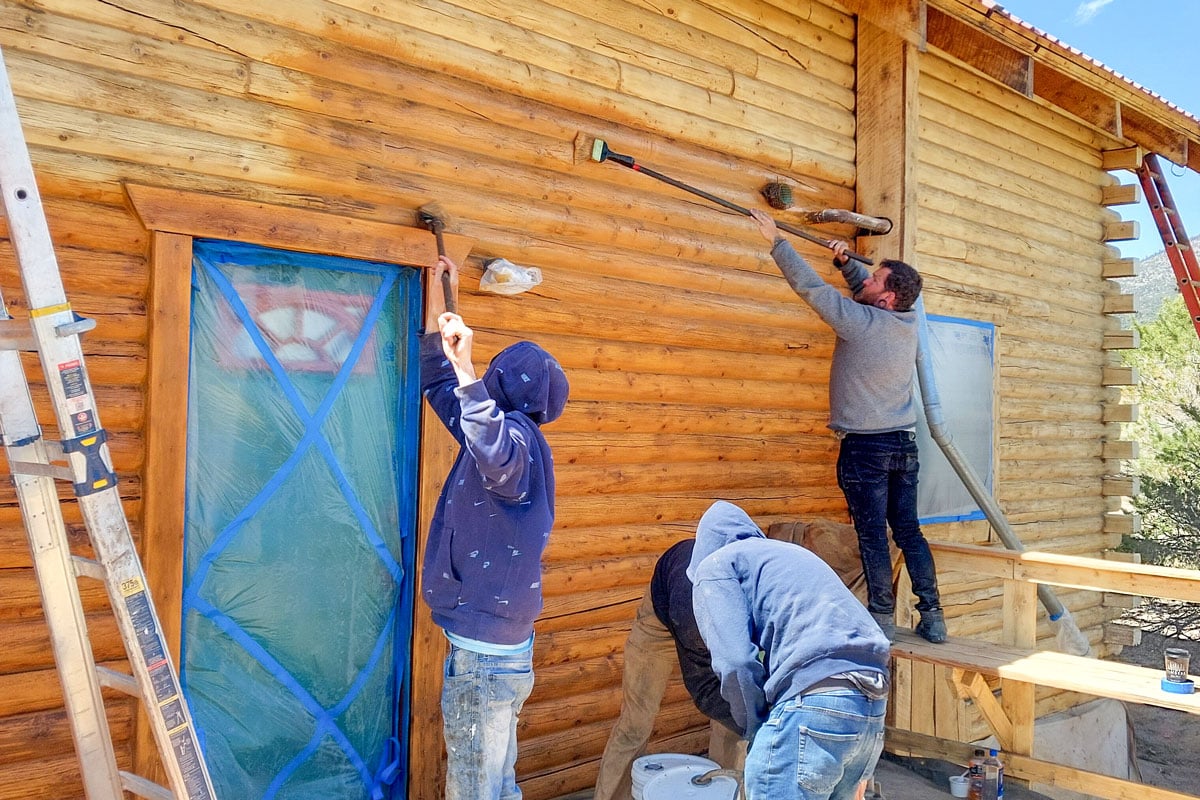
Staining
Protective log home stains for long-term durability.
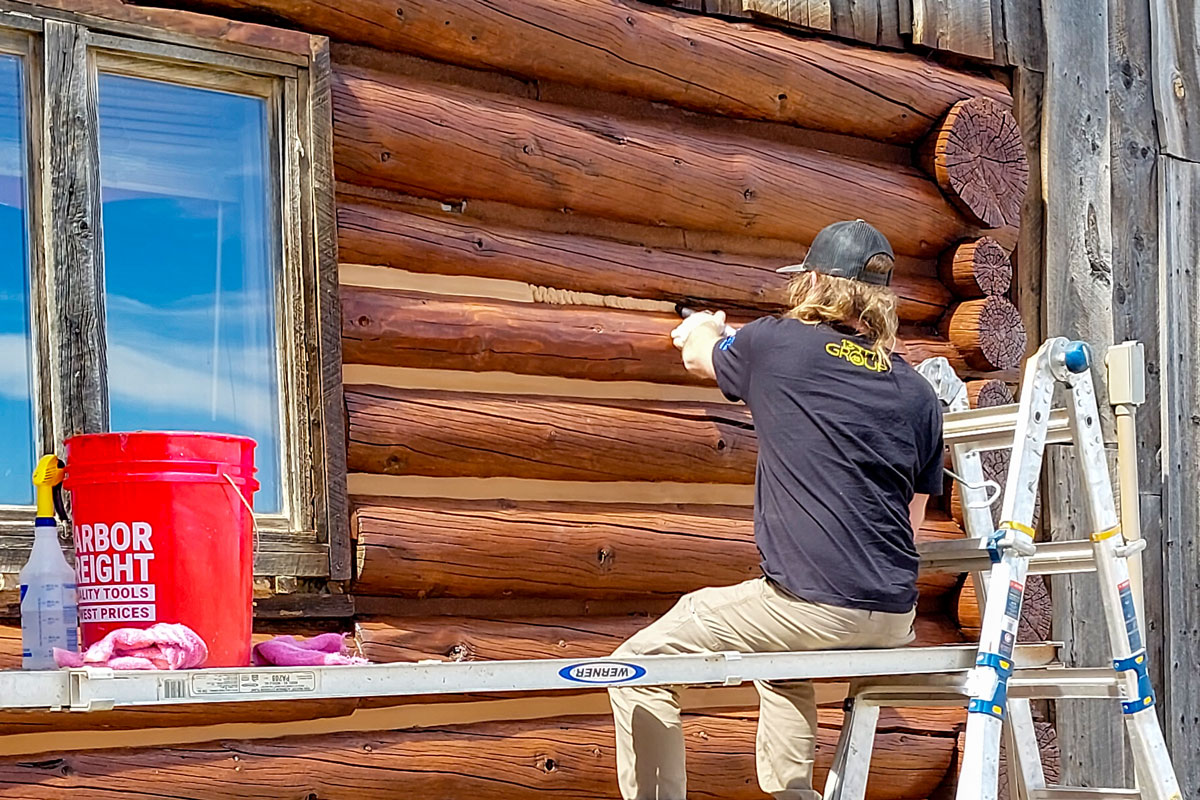
Chinking
Flexible systems that seal horizontal joints.
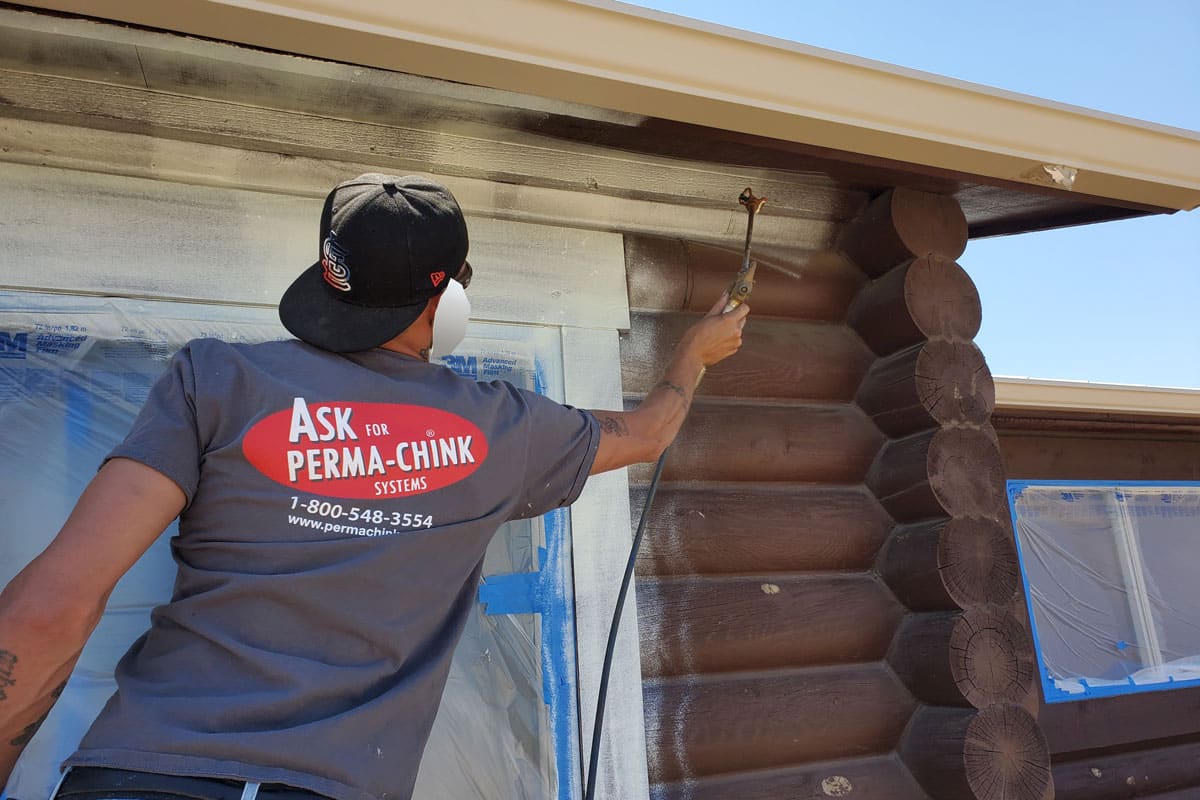
Chemical Stripping
Professional stain removal when coatings trap moisture.
Caulking
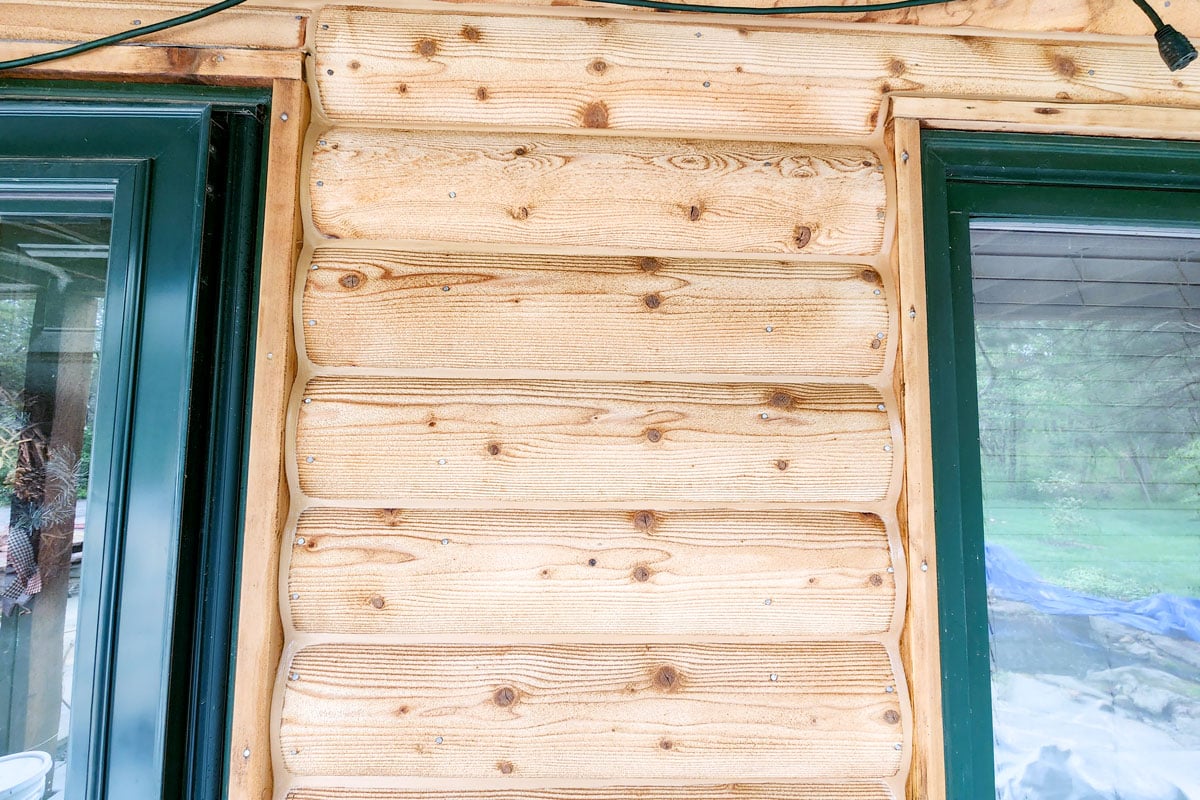
Precision sealant for vertical seams and movement gaps.
Log Home Maintenance
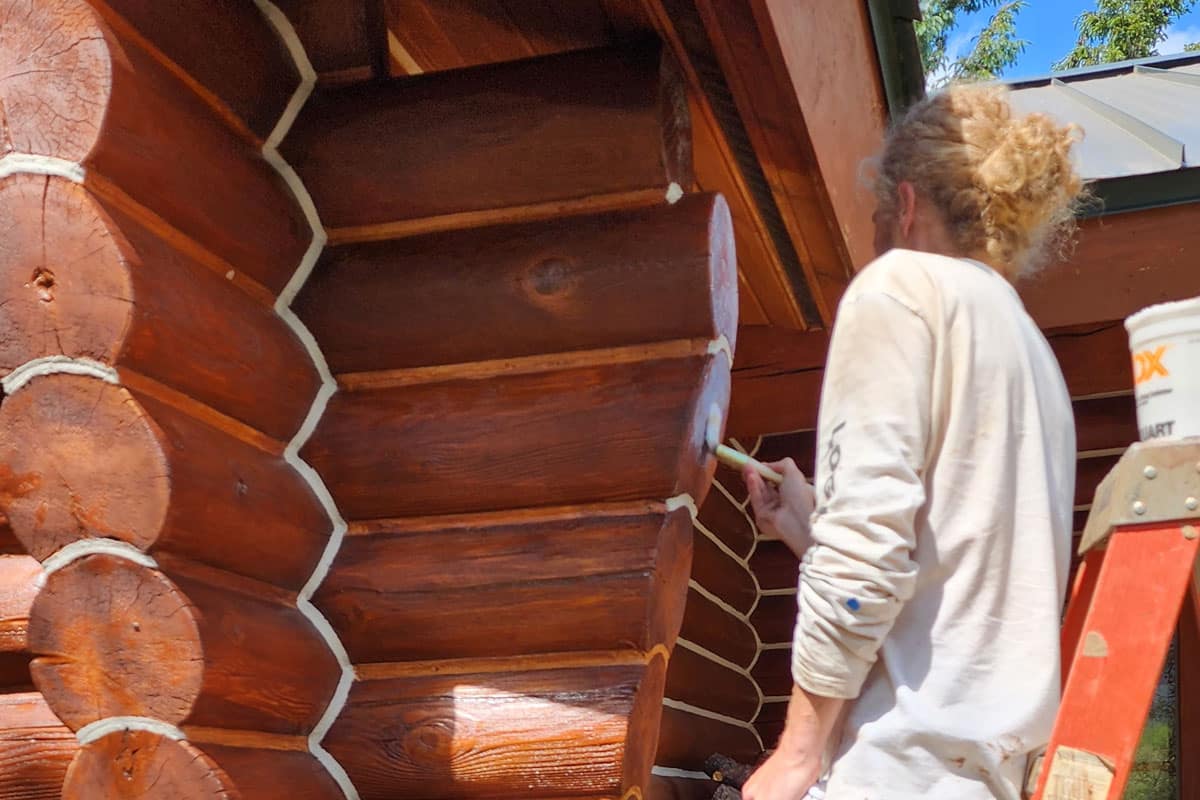
Annual inspections and preventative care to extend the life of your cabin.
Don’t Ignore Rotting Wood
Small areas of log cabin rot can quickly spread if moisture intrusion continues. Repairing rot in log homes early protects your investment and avoids full structural replacement later.
If you suspect log rot, we can evaluate the damage and recommend the right repair strategy.
Common Questions About Log Rot Repair
What causes log rot?
Log rot develops when moisture becomes trapped in the wood, and fungal growth begins to break down the fibers.
How do I know if a log needs to be replaced?
If more than half the log is structurally compromised, full log replacement is usually recommended.
Can rotting logs be repaired without replacing them?
Yes. If less than 50% of the log is damaged, log cabin rot repair with a half-log replacement may be sufficient.
Is log rot dangerous?
Yes. Advanced wood rot can compromise structural stability and necessitate major repairs if left unchecked.
Will repaired logs match the rest of my home?
Yes. Replacement logs are cut and shaped to match your home’s profile. While we try our best to create exact match replacement logs, the original log conditions can occasionally present blending challenges. We discuss this in advance if we see potential issues.
How long does log rot repair take?
Project timelines depend on severity, log style, and access to the affected area.