Summer bookings can make or break your vacation rental season. If you own a log cabin, you already know the pressure hits a little differently.
It’s not just about clean sheets and updated photos. It’s about making sure your cabin is actually ready to handle constant use, heat, humidity, and everything that comes with a full booking calendar. That’s where a strong cabin rental maintenance checklist becomes your best tool.
Here’s the reality: small issues don’t stay small in a log home. What starts as a minor crack or soft spot can turn into rot, water damage, or a costly repair right in the middle of your busiest season. When guests run into those problems, they don’t keep it to themselves.
This guide walks you through a practical, real-world cabin rental maintenance checklist so you can head into summer with confidence instead of crossing your fingers.
Why Summer Prep Hits Different for Log Cabin Rentals
Log cabins are not built like standard vacation homes. They move, breathe, and respond to their environment.
That’s part of their charm, but it also means they require a different level of care.
Humidity raises moisture levels inside the wood.
Wood is a living material. It expands, contracts, and absorbs moisture depending on the surrounding environment.
When temperatures rise and humidity increases, that movement becomes more active. What might have been a small, harmless crack in the spring can open up just enough in the summer to hold water.
UV rays break down stain and protective coatings faster
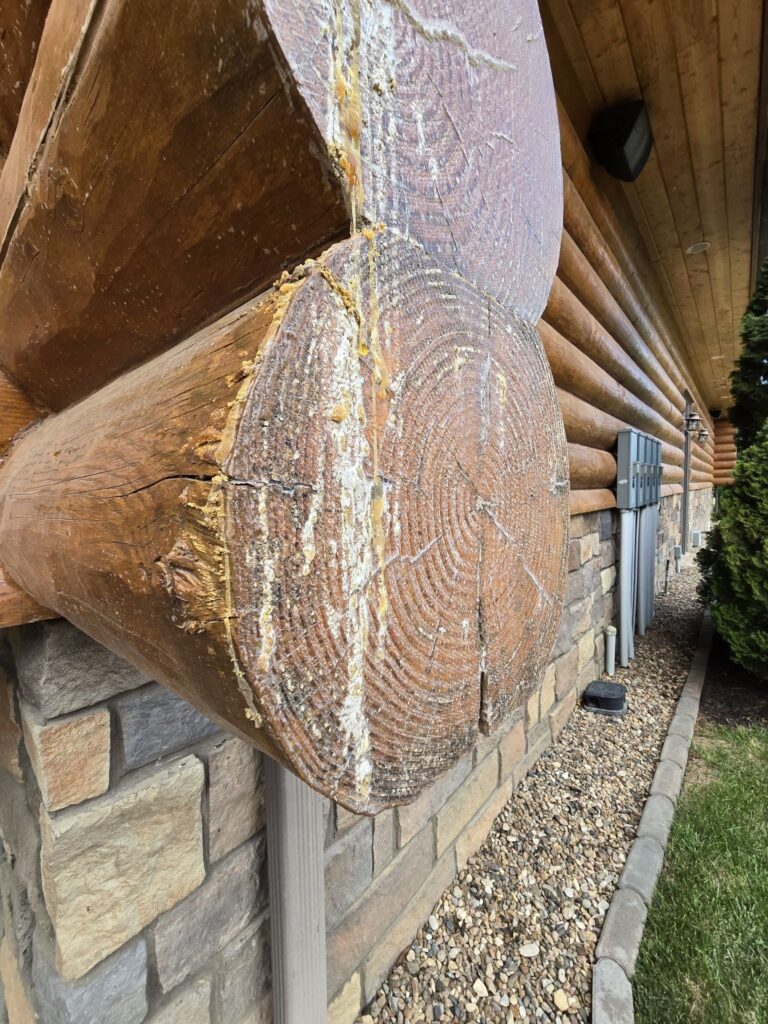
At the same time, summer sun puts your cabin’s exterior to the test. UV exposure slowly breaks down stain and sealants, even if everything still looks fine from a distance.
That protective layer is what keeps moisture out, and once it starts to fail, the wood underneath is exposed, whether you notice it or not.
Increased guest use puts stress on every system
Then there’s the added pressure of peak season use. Your cabin isn’t just sitting empty between weather cycles. It’s being lived in every day. Guests are constantly running the air conditioning, cooking meals, taking showers, and using outdoor spaces. That kind of demand pushes your systems harder than any other time of year. If something is close to failing, summer is when it will.
Unlike a typical home, these factors don’t just affect comfort. They affect the structure itself.
When your cabin is fully booked, there’s no good time for something to fail. That’s why following a detailed cabin rental maintenance checklist before the season starts is one of the smartest moves you can make.
Pre-Season Log Restoration Checklist: Where to Start
Before you start fixing anything, you need to know what you’re working with.
The best way to approach your cabin rental maintenance checklist is to move systematically, starting from the outside and working your way in. That’s where most long-term damage begins, and where you’ll get the clearest picture of your cabin’s condition.
Exterior Log Wall Inspection
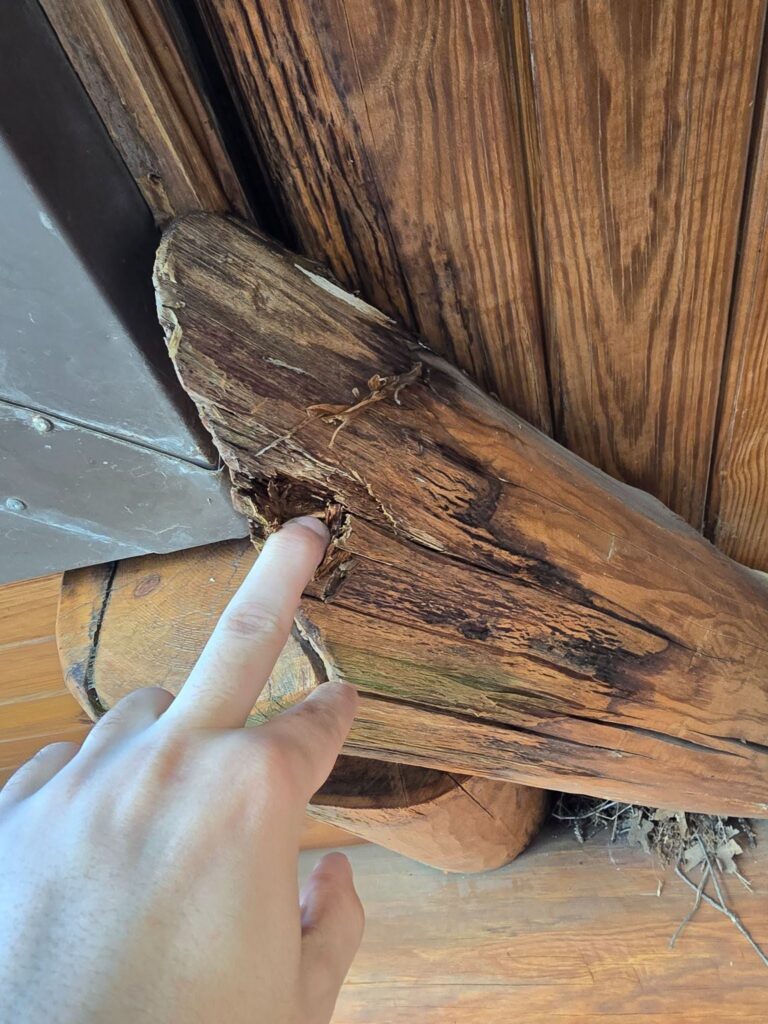
If there’s one thing you don’t want to miss, it’s log rot.
It’s the most serious issue log homes face, and it rarely shows itself right away. It tends to hide in areas where moisture lingers:
- Around windows and doors
- Near the ground or foundation
- Under roof overhangs
- Around downspouts and porch posts
Take a simple tool, such as a wooden skewer or screwdriver, and gently probe these areas. If the wood feels soft, spongy, or hollow, that’s a warning sign.
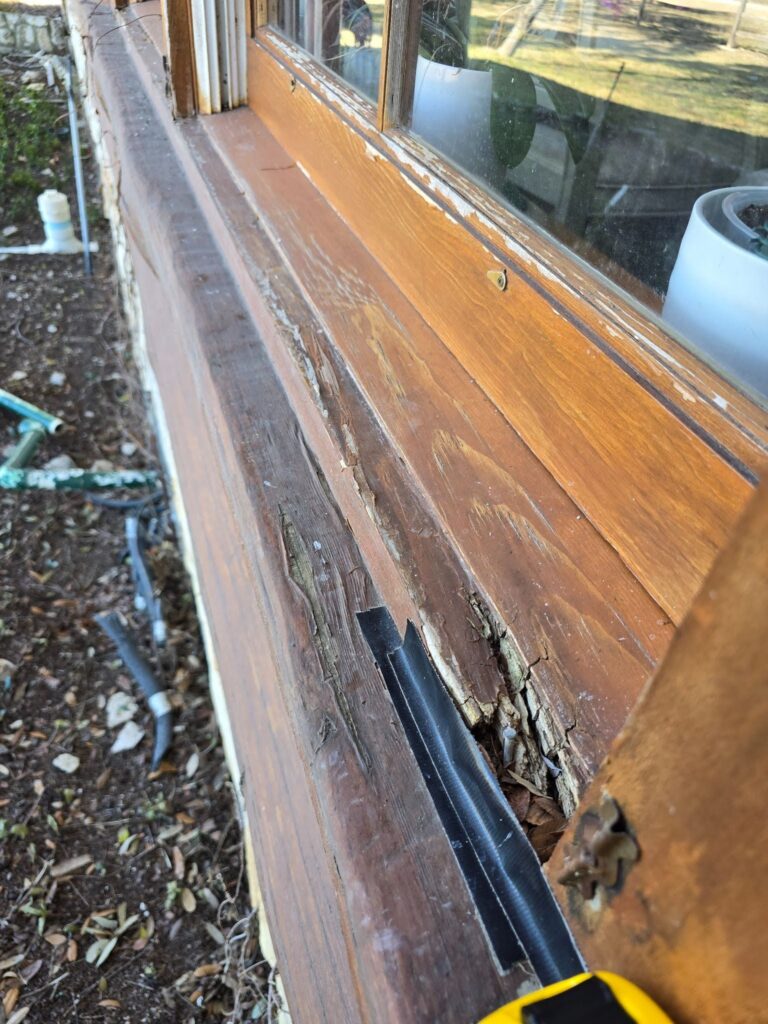
Also keep an eye out for:
- Dark staining or discoloration
- Cracks that hold water
- Areas that never seem to fully dry
Catching these issues early is the difference between a manageable repair and a major restoration.
Chinking and Caulking Assessment
Chinking and caulking are what keep your cabin sealed from the outside world.
When they start to fail, it doesn’t take long for problems to follow. As you go through your cabin rental maintenance checklist, look for:
- Gaps between logs
- Separation from the wood
- Cracking or brittle material
Even small gaps allow moisture and air to move in and out, which leads to energy loss, mold risk, and long-term damage.
Addressing these early is one of the most cost-effective things you can do.
Stain, Sealant, and Wood Preservative Evaluation
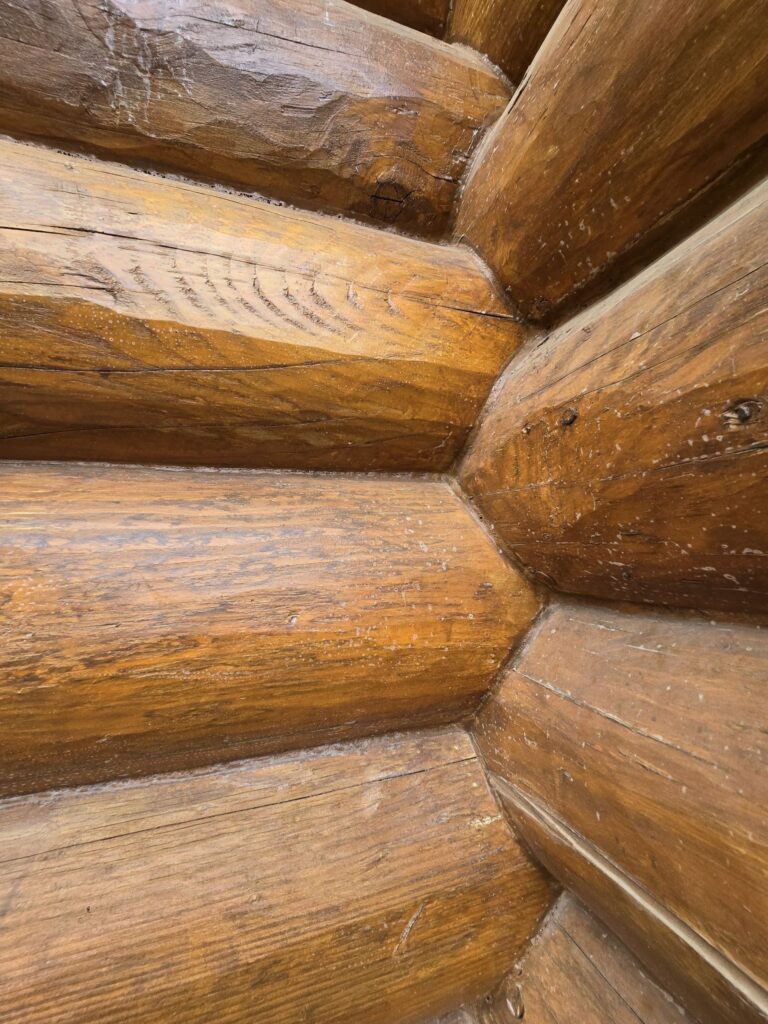
Your stain system is your cabin’s first line of defense.
When it’s doing its job:
- Water beads on the surface
- Color looks even and rich
- Wood appears protected
When it’s failing:
- Color fades or turns gray
- The surface looks dry or chalky
- Water soaks in instead of repelling
If your finish is breaking down, it’s not just a cosmetic issue. It’s leaving your logs exposed to moisture, UV damage, and eventual decay.
Roof, Gutters, and Water Drainage Check
Water is the biggest threat to any log home.
Most of the time, it’s not the logs themselves causing the issue. It’s how water moves around the structure.
As part of your cabin rental maintenance checklist, check:
- Roof condition and missing shingles
- Flashing around chimneys and vents
- Gutters for clogs or overflow
Then follow the water path. Are downspouts pushing water away from the home? Is the ground sloping properly? Is anything trapping moisture near the foundation?
If water can sit, it will eventually get into the wood.
Indoor Systems Checklist for Summer Readiness
Interior systems tend to fail quietly.
And when they go out during a guest’s stay, it’s more than an inconvenience. It’s a negative experience that appears in your reviews.
HVAC, Ceiling Fans, and Ventilation
Your HVAC system will be working overtime in the summer.
Before your first booking:
- Replace air filters
- Check airflow and cooling efficiency
- Clear condensate drain lines
Log homes naturally hold moisture differently than standard homes, so proper ventilation is critical. If humidity builds up inside, it can affect your logs just as much as exterior conditions do.
Plumbing, Water Heater, and Moisture Intrusion
Vacation rentals put a lot of strain on plumbing systems. Check for:
- Under sinks for leaks
- Around appliances for moisture
- Water heater performance
Pay extra attention to areas where plumbing meets wood. Water can travel along the grain and spread farther than it appears on the surface.
If you notice musty smells or discoloration, don’t ignore it.
Electrical, Lighting, and Safety Devices
This step is quick, but it matters.
Test:
- Outlets and GFCIs
- Light switches
- Smoke and carbon monoxide detectors
Also consider your electrical load. Many cabins weren’t originally built to handle modern cooling systems and appliances all running at once.
Appliances, Fixtures, and Guest-Facing Amenities
Guests will use everything you provide, so everything needs to work.
Test:
- Kitchen appliances
- Laundry machines
- Entertainment systems
If something feels unreliable now, it’s going to fail when guests rely on it.
Upgrading comfort items like mattresses and bedding can also make a noticeable difference in guest satisfaction and reviews.
Outdoor Spaces Checklist: Decks, Porches, and Amenities
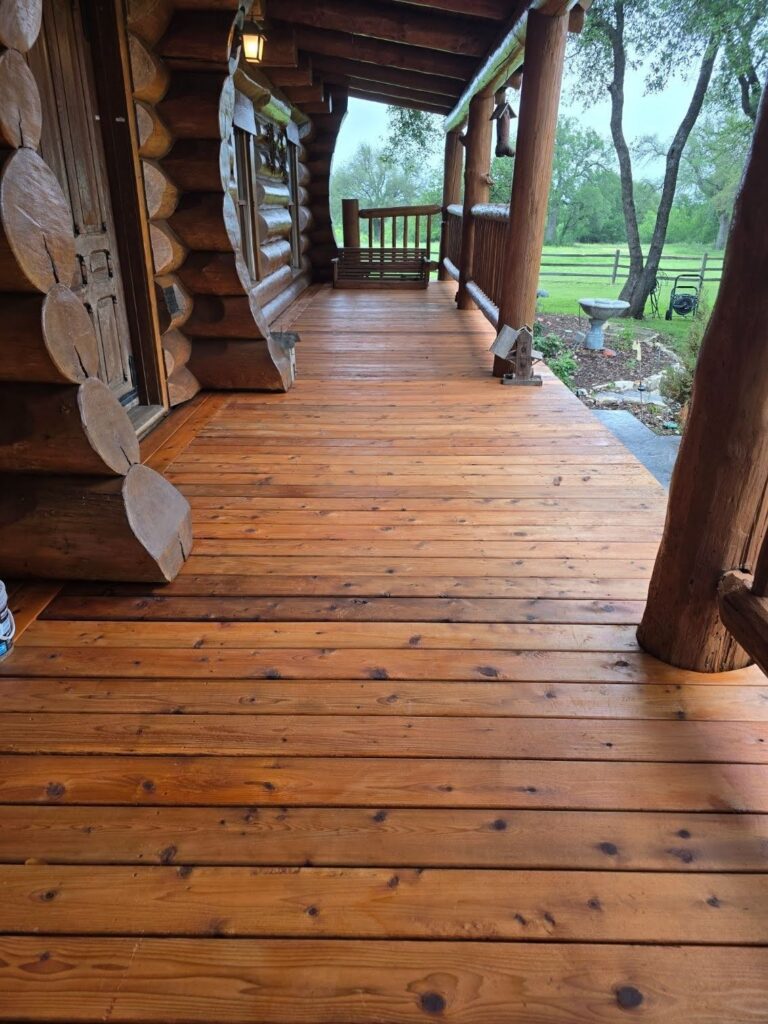
For many guests, the outdoor space is the highlight of their stay.
If it’s not safe or well-maintained, it impacts the entire experience.
Deck and Porch Structural Integrity
Walk every inch of your deck and porch carefully.
Look for:
- Soft or damaged boards
- Loose railings
- Protruding nails or screws
- Signs of rot at support posts
These aren’t just maintenance issues. They are safety concerns that need to be addressed before guests arrive.
Outdoor Furniture, Grills, and Fire Pits
Inspect and clean all outdoor features:
- Stabilize furniture
- Check grill connections and burners
- Clear debris from fire pits
If something requires instructions, make them easy to find. It helps guests use everything safely and correctly.
Pest and Insect Prevention Around Log Structures
Pests are part of owning a cabin, but they don’t have to become a problem.
As part of your cabin rental maintenance checklist:
- Seal gaps and entry points
- Trim vegetation away from the cabin
- Eliminate wood-to-soil contact
- Store firewood away from the cabin to avoid attracting pests
- Pay attention to woodpecker activity, which can be a warning sign of insects inside the logs
Regular inspections are far more affordable than dealing with an infestation later.
Landscaping, Pathways, and Drainage
Don’t overlook the surrounding area.
Check that:
- Walkways are clear and stable
- Drainage is working properly
- Vegetation isn’t trapping moisture against the cabin
- Landscaping still allows adequate airflow around the logs so surfaces can dry naturally, especially on the shaded sides of the home
A well-maintained exterior not only looks better, but it also helps protect the structure.
Interior Cabin Condition Checklist
First impressions matter, and the inside of your cabin is what guests truly experience first.
Deep Cleaning by Room
Seasonal cleaning should go beyond your standard turnover routine.
Take time to:
- Clean behind furniture and appliances
- Wash walls and baseboards
- Refresh upholstery and rugs
Even a great-looking cabin can feel neglected if it smells musty or looks dirty.
Furniture, Flooring, and Interior Wood Surfaces
Inspect everything for wear and damage.
Look for:
- Loose flooring
- Worn finishes
- Signs of humidity issues on interior logs
Bathrooms and kitchens are especially important here, as moisture tends to build up in these areas.
Guest Safety Items and Compliance Checks
Make sure:
- First aid kits are stocked
- Fire extinguishers are accessible
- Emergency information is clearly posted
These details build trust and show guests that you’ve taken the time to think through their experience.
How to Prioritize Repairs When Budget and Time Are Limited
If your list of to-dos feels overwhelming, focus on priorities:
- Safety issues
- Critical systems like HVAC and plumbing
- Exterior protection and moisture control
- Cosmetic improvements
This approach helps you protect your investment without getting sidetracked.
When to Call a Log Restoration Professional vs. DIY
There’s a clear point where basic maintenance ends and professional restoration begins, and with log homes, that point comes sooner than most people expect.
Simple tasks like cleaning, inspections, and minor caulking touch-ups are well within reach for most owners. But once you’re dealing with log rot, widespread chinking failure, or a failing stain system, the margin for error gets small fast.
If something feels beyond routine maintenance, it’s worth bringing in a professional early. It usually saves time, money, and a lot of frustration in the long run.
Log Masters has spent over 20 years working on cabins just like yours, handling everything from minor repairs to full restorations. The goal isn’t just to fix the issue. It’s to make sure it doesn’t come back.