Log Home Caulking That Seals & Extends the Life of Your Logs
Professional Log Home Sealant Systems Installed with Precision
Small Cracks Turn Into Big Problems Fast
Logs are constantly moving. They expand in humidity and contract in dry conditions. Over time, that natural movement creates small seams, hairline cracks, and gaps around joints, windows, and trim.
When log home caulking begins to fail, those minor openings become pathways for moisture and insects. Water seeps into vertical seams. Air drafts increase energy costs. Wood around exposed joints begins to discolor and soften.
Proper caulking of log homes is not cosmetic maintenance. It is a critical part of protecting your home’s structural integrity.
If your existing log home sealant is cracking, separating, or hardening, it may be time to replace the log caulk before larger issues develop.
What Log Home Caulking Is — And When It’s Needed
Log home caulking is a flexible log caulk system used to seal smaller joints, vertical seams, checks, and transitions around windows and doors. Unlike chinking, which fills larger horizontal gaps, log home caulk focuses on tighter joints that still require movement and protection.
High-quality sealant for log homes should:
Bond securely to properly prepared wood
Flex with seasonal expansion and contraction
Prevent water penetration into seams
Block insect entry points
Maintain long-term elasticity without cracking
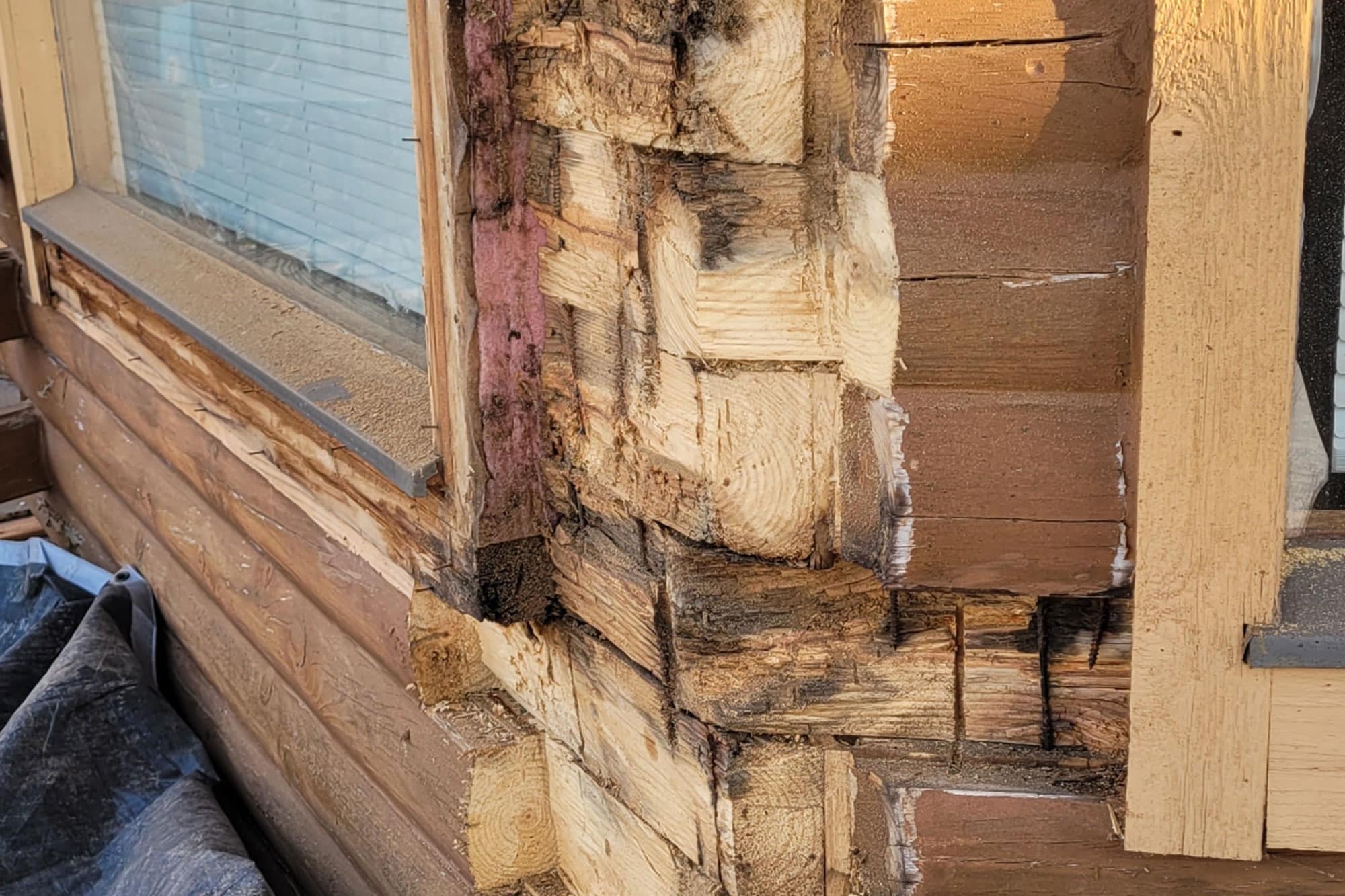
An example of log rot repair caused by an inexperienced contractor using caulking as a Band-Aid.
The best caulking for log homes is specifically formulated as an exterior sealant for wood that remains flexible year after year. Using standard construction caulk sealant often leads to premature failure.
What’s more, caulking is almost always used on log homes, even when chinking is present. That’s because log caulking protects joints, chinking does not cover.
If you notice cracked seams, separation near windows, or exposed joints, it may be time for professional log home caulking repair or replacement.
Not sure if your cabin needs resealing? Let’s evaluate it.
What Proper Log Home Caulking Does for Your Home
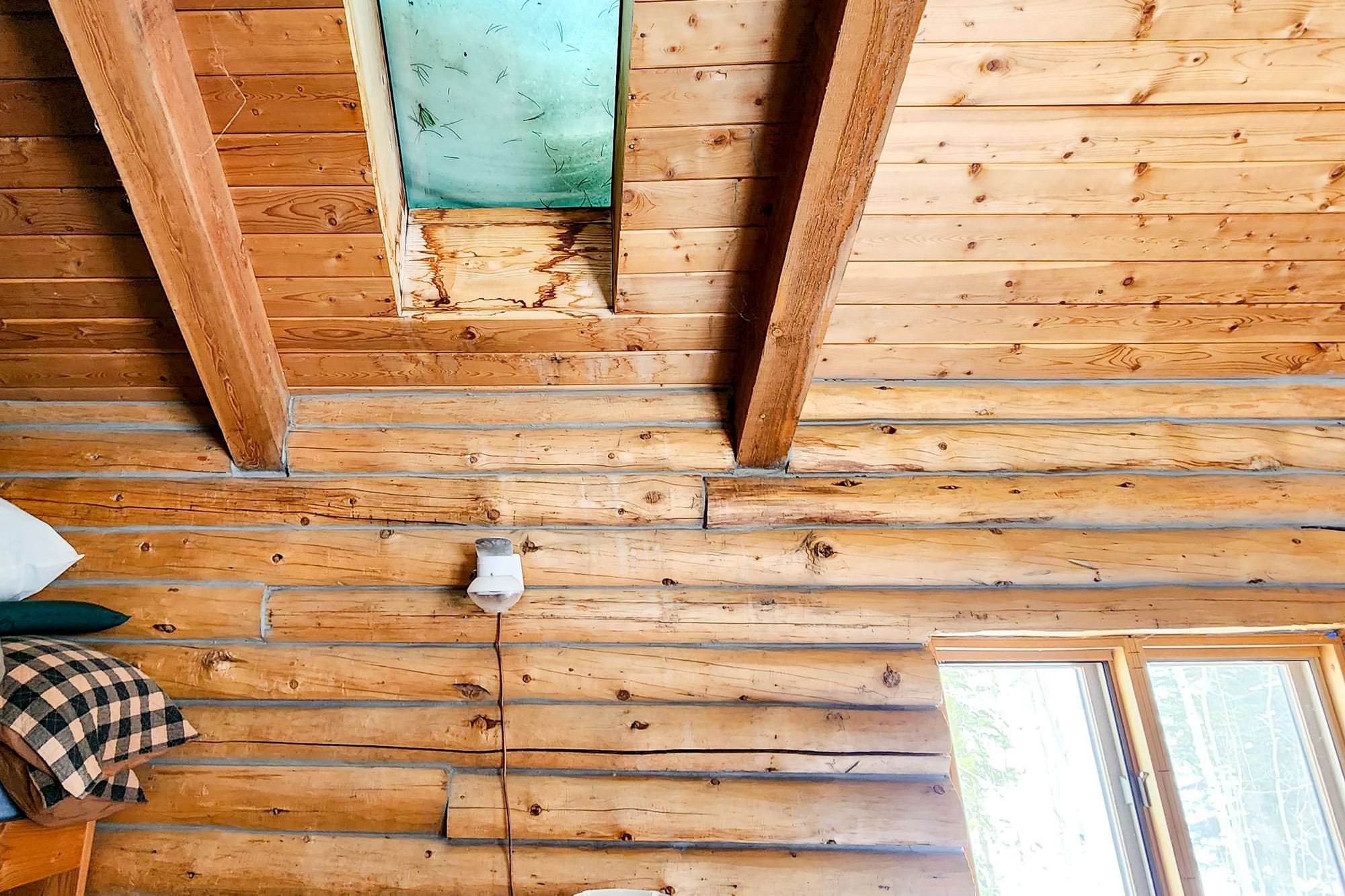
Prevents Moisture Intrusion
Properly sealing a log cabin keeps rain from entering smaller seams and vertical joints where water commonly tracks.
Improves Energy Efficiency
Effective log home sealant reduces drafts and helps stabilize indoor temperatures.
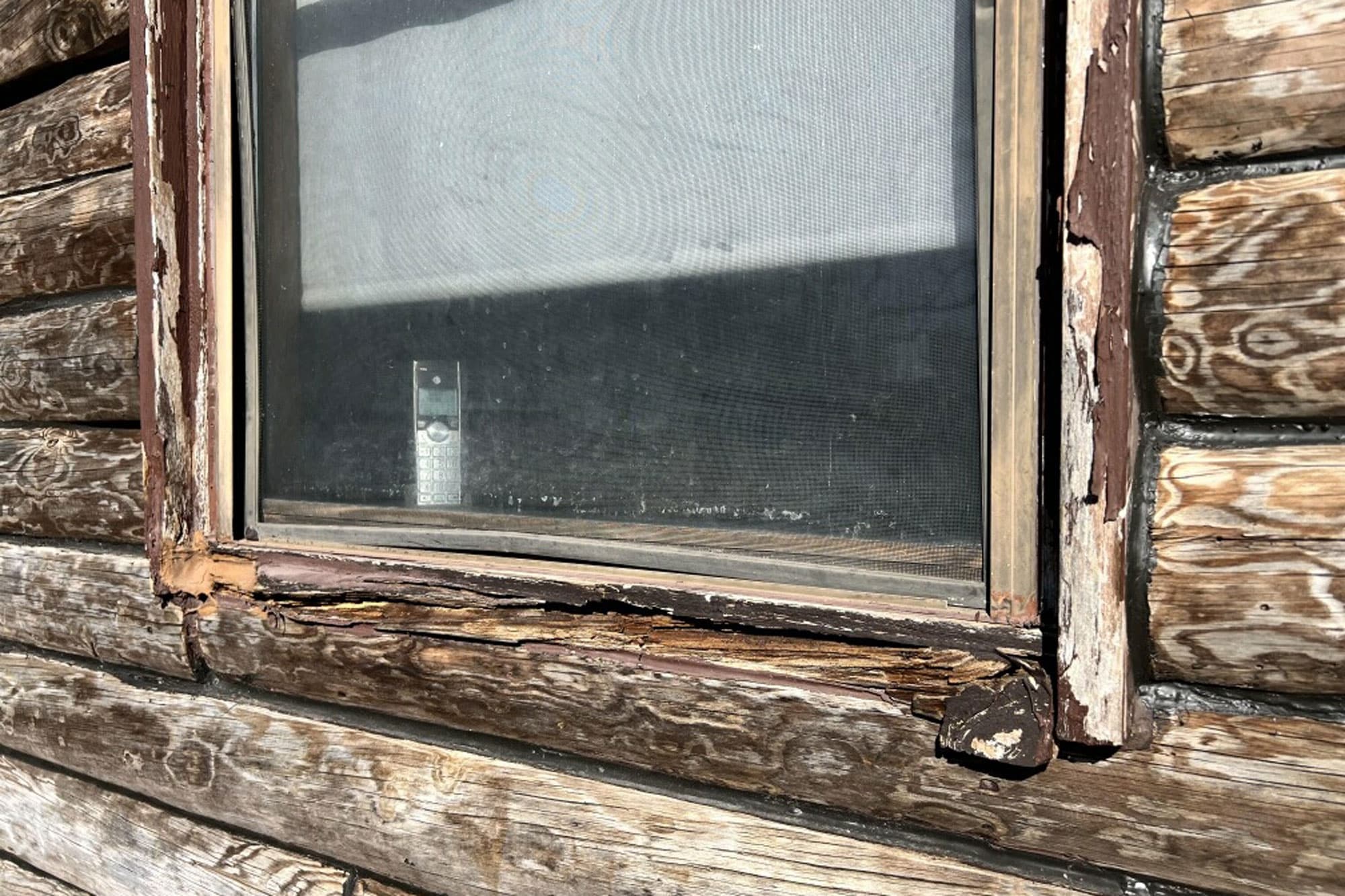
Protects Vulnerable Transition Points
Windows, doors, trim boards, and corner joints rely heavily on properly installed log builder sealant to remain watertight.





How Our Log Home Caulking Process Works
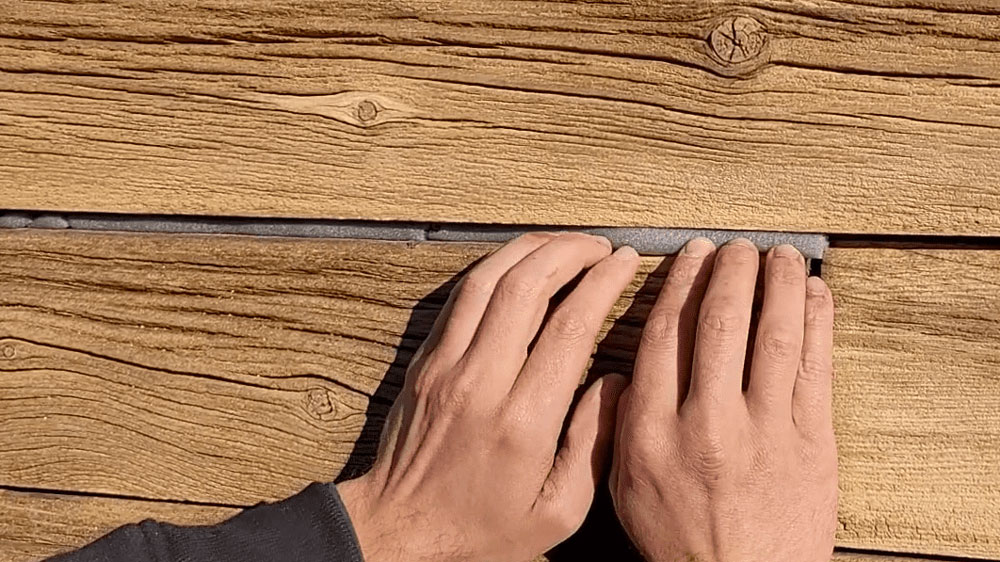
Step 1: Prepare the Joint
We inspect seams and install backer rods where needed to ensure proper sealant depth and support.
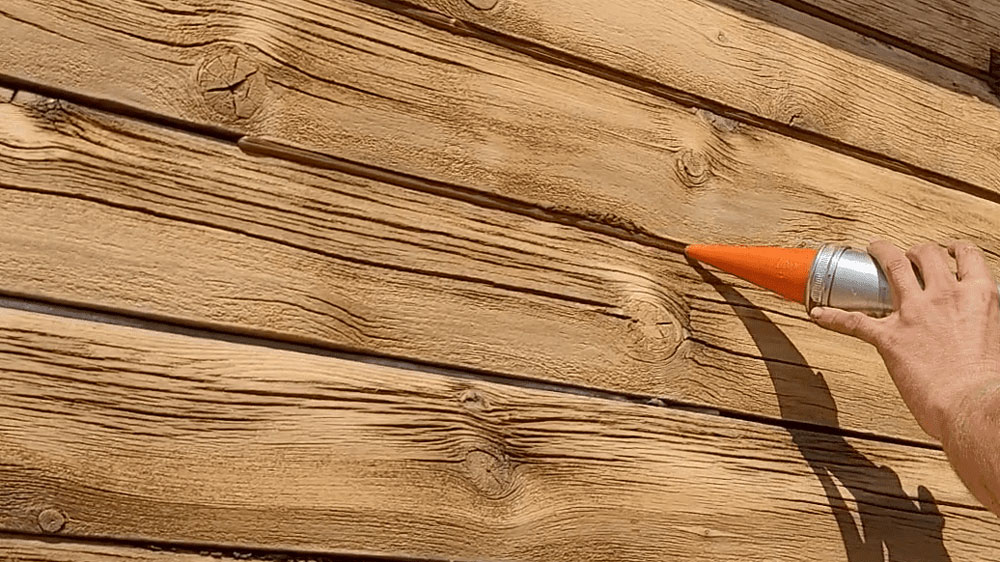
Step 2: Apply Professional Log Caulk
Using a high-performance log-builder sealant, we apply the appropriate bead for the joint size and movement requirements.
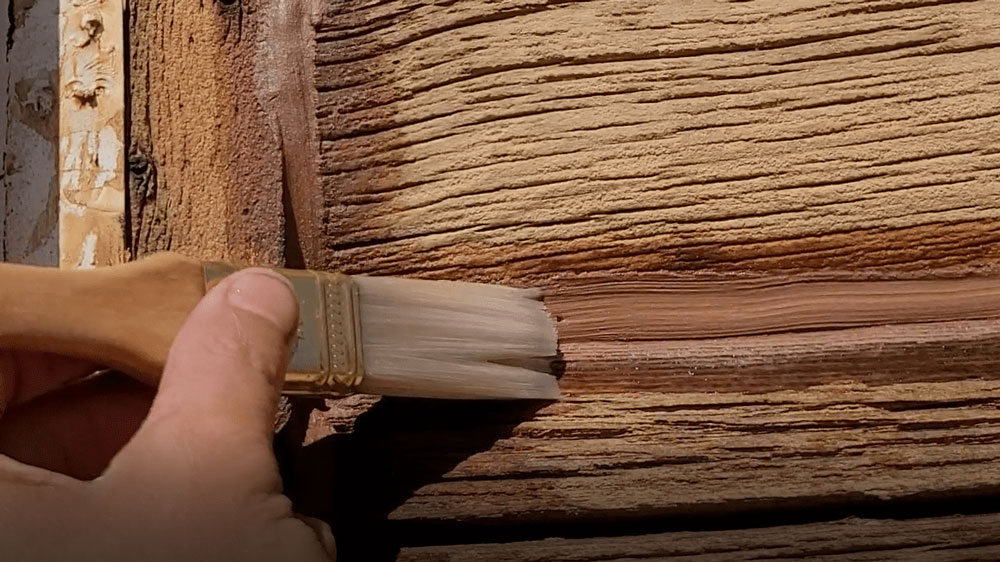
Step 3: Tool & Finish
We properly tool the caulk sealant to ensure adhesion, flexibility, and a clean finish that complements the logs.
Why Cabin Owners Trust Log Masters for Log Caulking
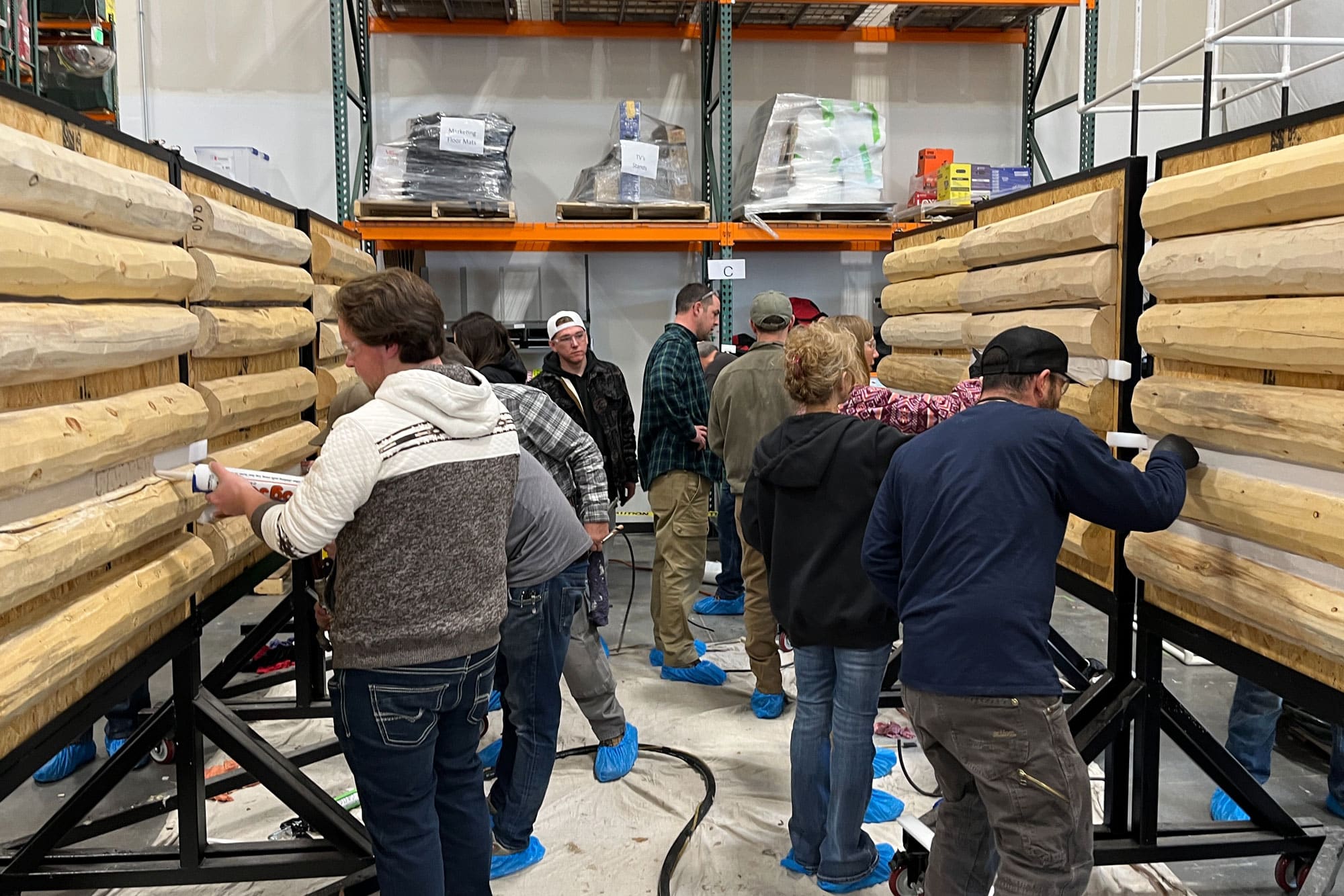
We Use Log-Specific Sealant Systems
We install professional log builder sealant products engineered for wood movement, not generic hardware-store alternatives.
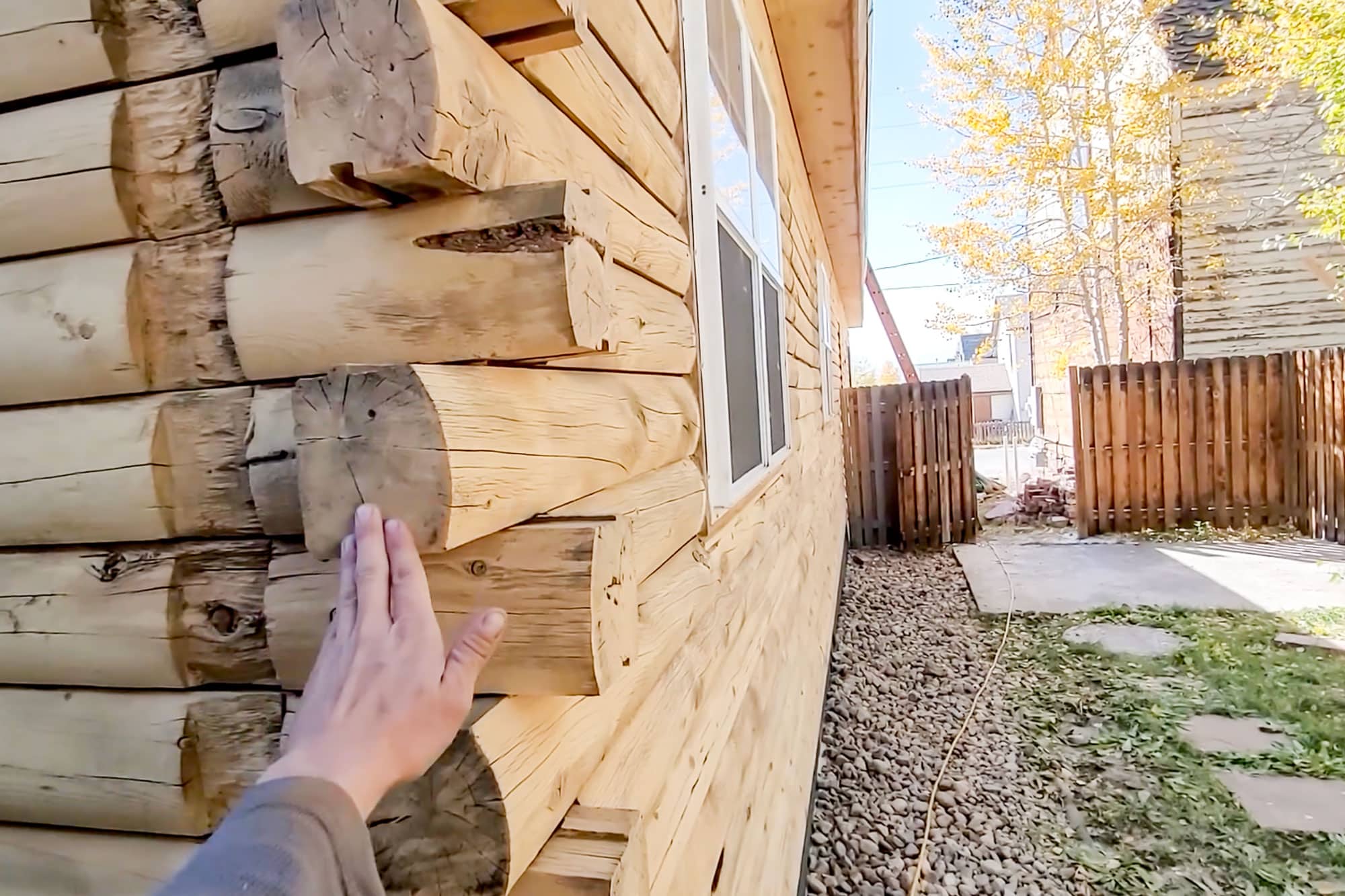
We Understand Wood Movement
Logs shift differently depending on species, age, and climate. Proper log caulking accounts for those variables.
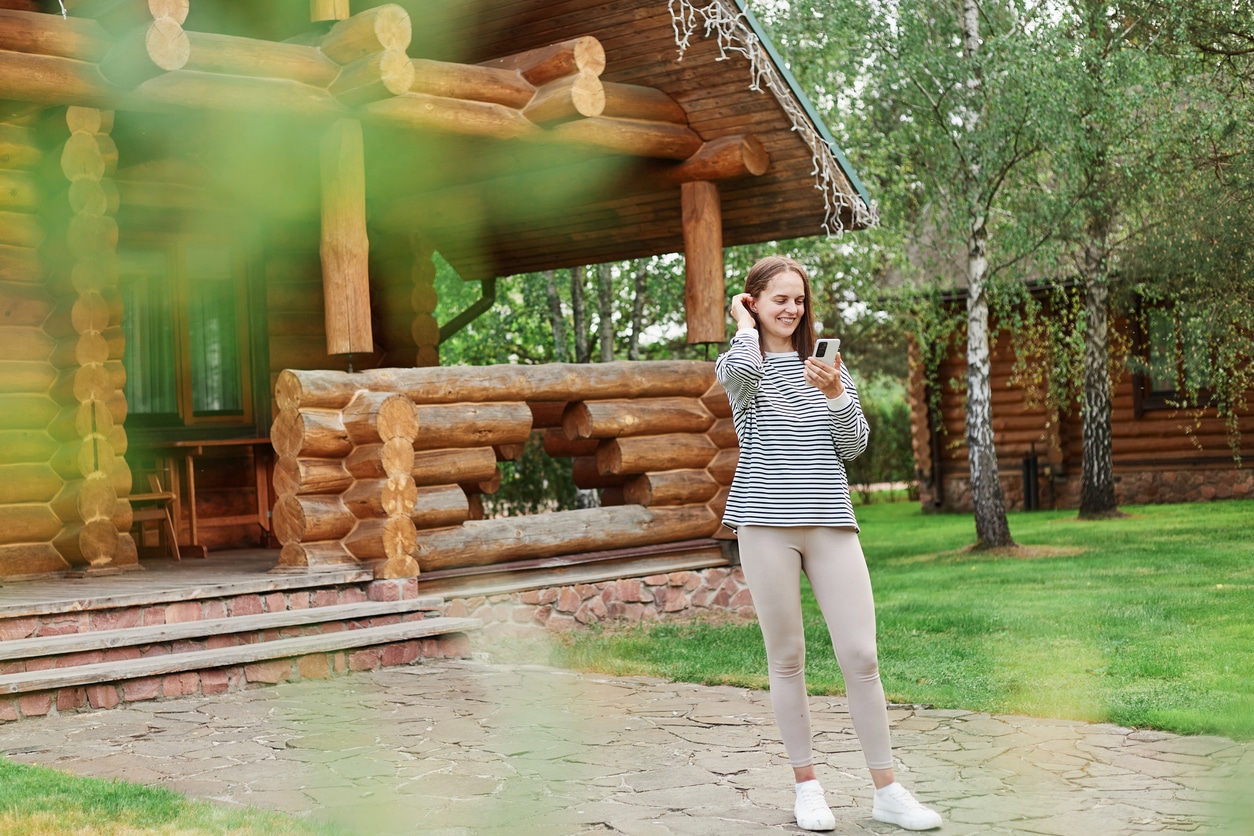
We Educate, Not Upsell
If your home only needs minor repairs, we’ll tell you. If sections need full log home caulking replacement, we’ll explain why.
Protect your investment with the right sealant system.


Thank you!!!



For new log homeowners - brace yourself because quality work in this space is expensive and hard work. Our quote came in at more than six figures, but we felt confident that the job would be done well and set us up for our decades to come in this house.
The team was on site for the better part of 6 weeks, away from their families and hard at work day in and day out. The results were truly transformative. The house began in gray latex paint, and ended up well-sealed and coated in a wonderful coat of stain. Our neighbors showered us with compliments for getting the house redone the way a log home is meant to look.
By the end of LMR's time with us, the crew was like a part of our extended family, and it was hard to see them go. I can't recommend this company highly enough.








Scott called and he spent quite a bit of time talking with me on the phone about the scope of work we needed. I sent multiple photos and we'd spend more time talking. We needed to get our logs media blasted, washed, treated, caulked, stained and sealed and after we had that part figured out, we had decided we needed them to do new cedar fascia on the whole house and soffit on both sides of the house. Scott walked me through how to measure everything so we could get the material ordered and get an accurate quote from them.
Scott spent many hours on the phone with both my husband and I which most companies would've likely charged for and he revised our bid numerous times.
We decided to go with Permachink Ultra 7 in Dark Natural, I would also highly recommend Permachink. They were extremely helpful in sending samples and answering questions.
Scott and his crew arrived to complete the job in April 2023, they were all very personable, professional and respectful. My whole family enjoyed getting to know them and watch them transform our ugly log into a beautiful more efficient log home.
I'd highly recommend Log Masters Restorations-Springfield, Scott and his crew are awesome!! PS They don't just do log refinishing they do everything log cabin.
Learn More About Log Home Caulking
More Log Master Services to Protect Your Home
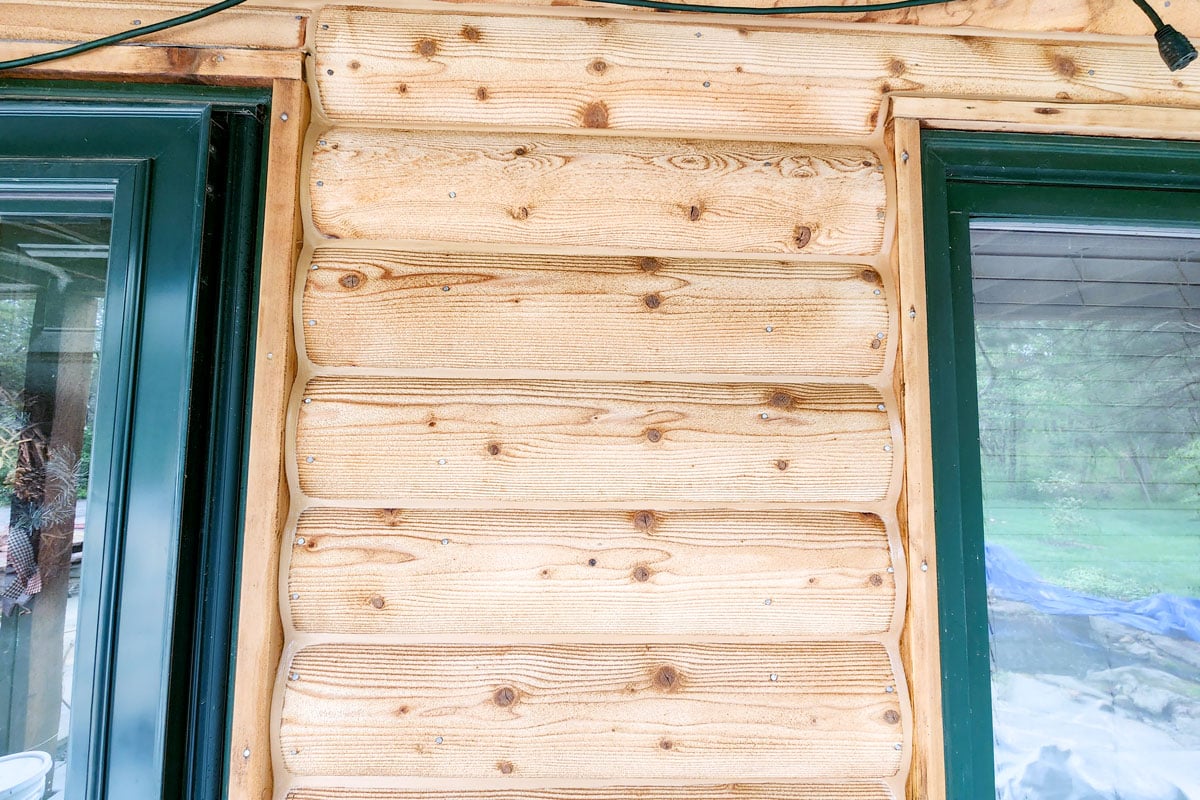
Chinking
Some log homes use chinking between courses for structural sealing, weather protection, or aesthetic design. Proper adhesion, depth, and flexibility are critical for long‑term performance.
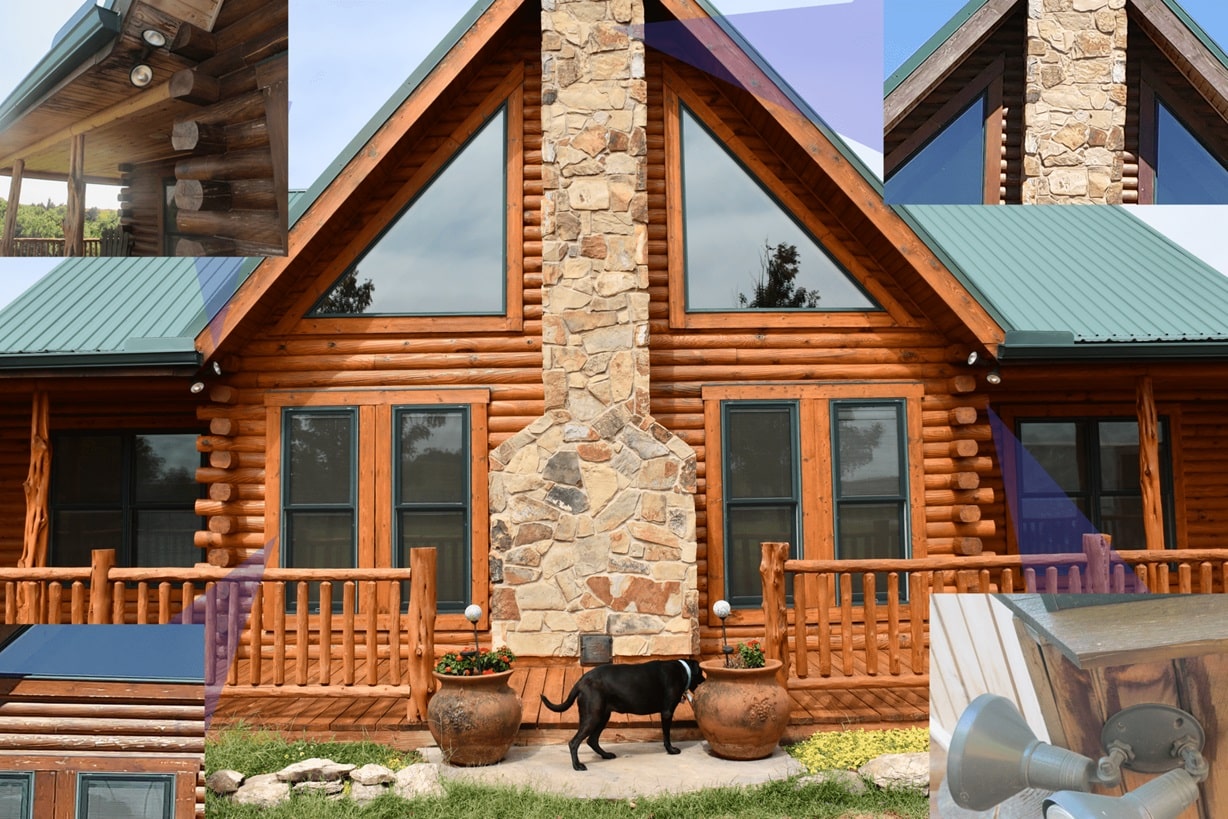
Log Home Restoration
Many log homes look better temporarily. Few are restored correctly. Our process addresses the root causes of stain failure, air leaks, moisture intrusion, and wood decay — not just the visible symptoms.
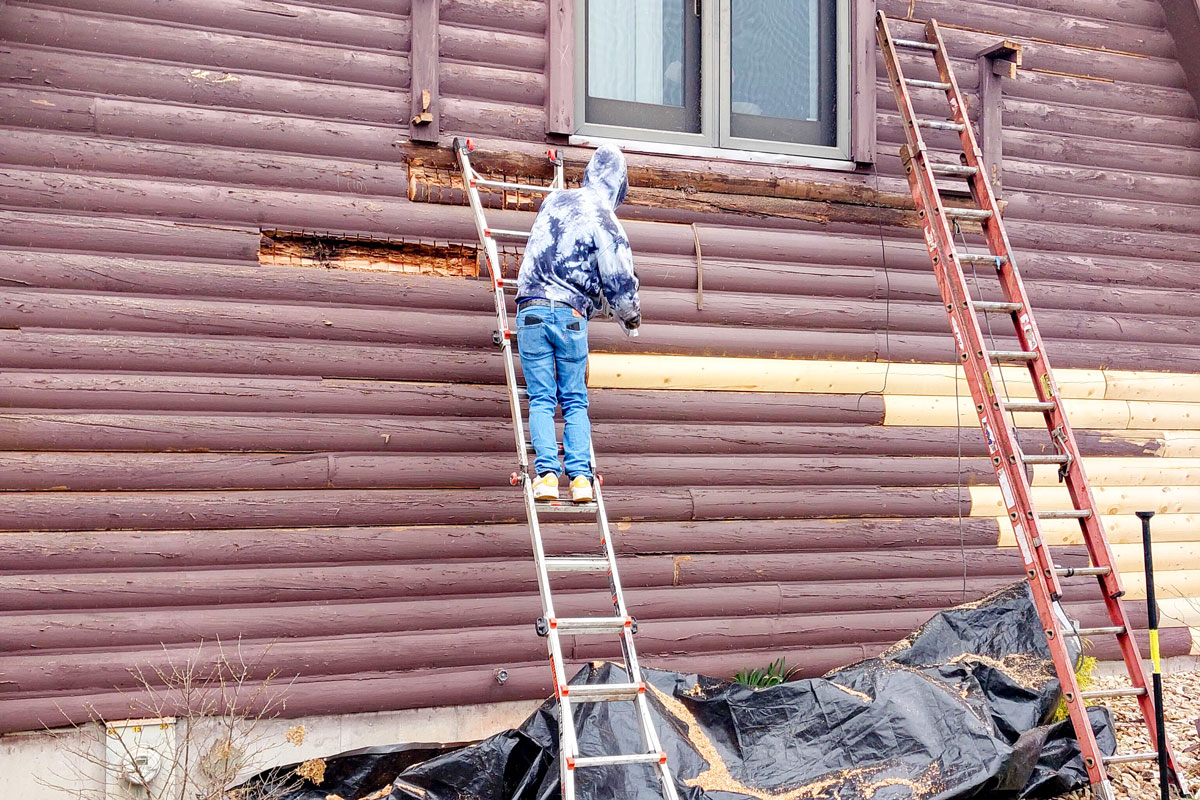
Log Rot Repair
Proper repair removes compromised wood, corrects the root cause of deterioration, and restores structural integrity so deterioration does not continue.
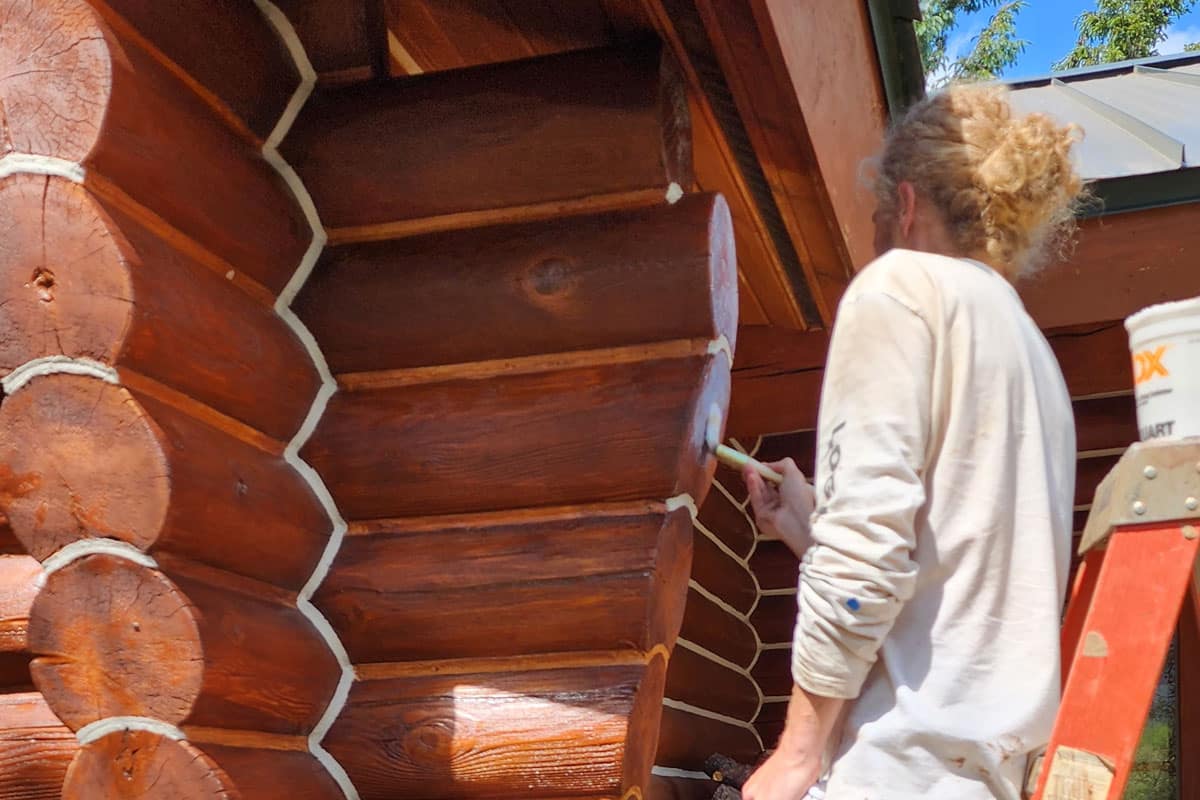
Log Home Maintenance
We will help you preserve the beauty and performance of your log home through annual inspections and minor repairs using the highest‑quality products and exceptional craftsmanship.
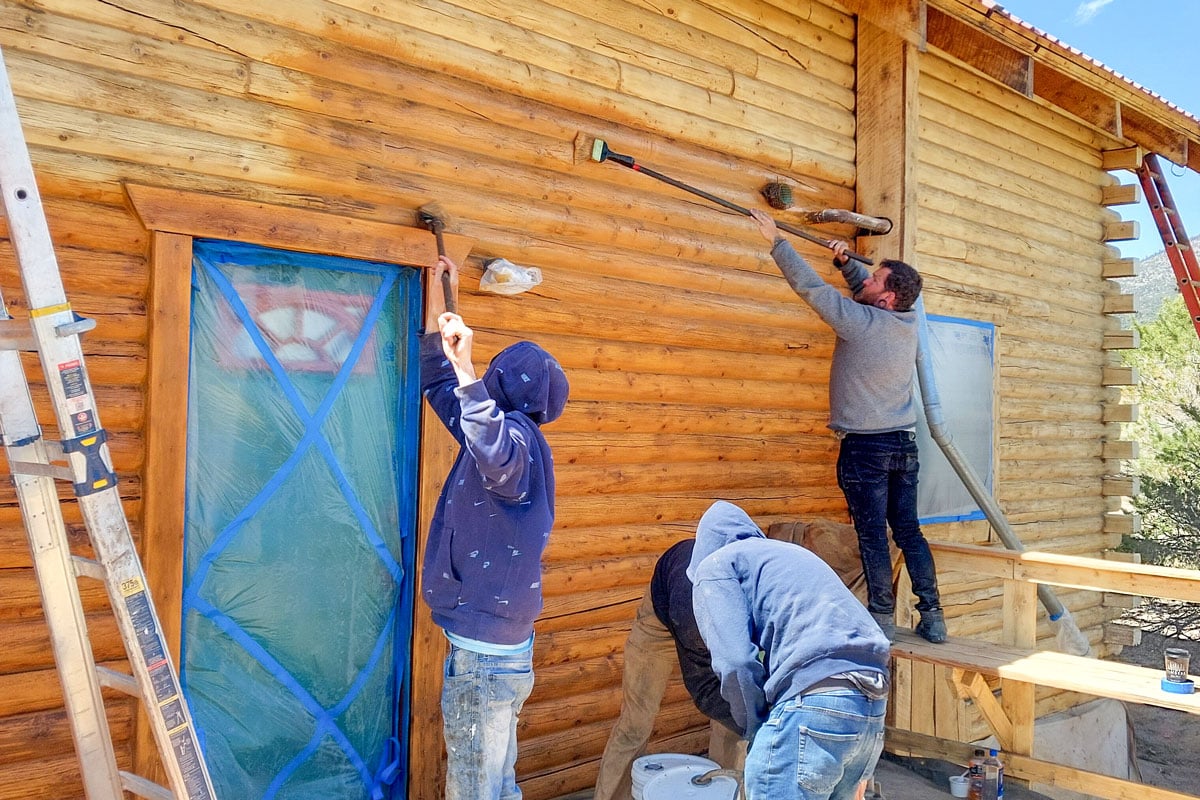
Staining
We apply premium log‑home‑specific stain systems designed for log construction. Application methods are adjusted to match wood condition, climate exposure, and project needs.
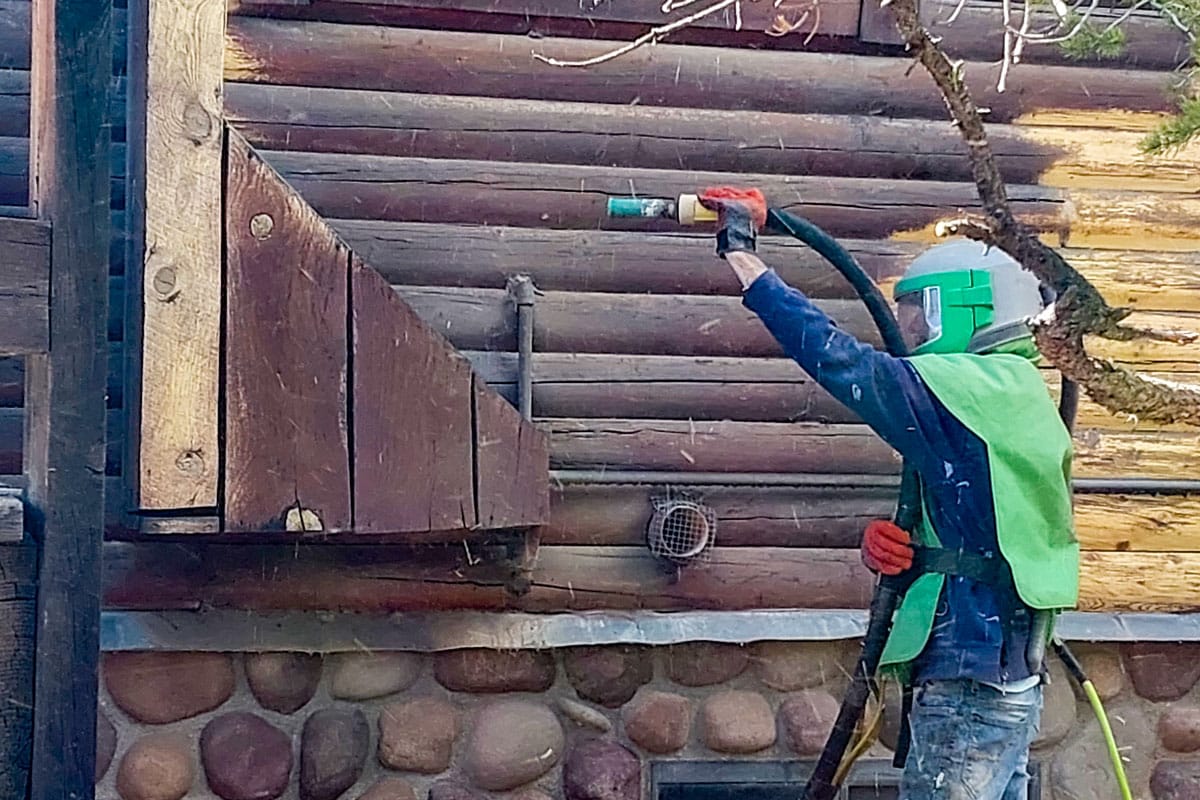
Media Blasting
We use controlled media blasting to safely remove old coatings while preserving the integrity of the logs. Pressure, media type, and technique are adjusted specifically for each home.
Don’t Wait Until Minor Gaps Become Major Repairs
Failed log home caulking allows water to enter where you can’t see it. Over time, that moisture leads to rot, insect infestations, and costly structural repairs.
If you suspect your log home sealant is failing, now is the time to address it.
Common Questions About Log Home Caulking
What is log home caulking?
Log home caulking is a flexible log caulk system used to seal smaller joints, vertical seams, and transitions in log construction.
Is caulking different from chinking?
Yes. Chinking fills larger horizontal gaps, while log caulking addresses tighter joints and checks.
What is the best caulking for log homes?
The best caulking for log homes is a high-performance exterior sealant for wood designed specifically for log structures. Big Stretch from Sashco is one of the best on the market (and one of Log Master’s preferred options), but there are other great caulking options as well.
Can I use regular exterior caulk?
No. Standard caulk sealant often lacks the flexibility required for log movement. It also fails quickly in outdoor conditions. Since this type of sealant isn’t designed for log homes, it often detaches because it doesn’t bond well with the wood.
How often should log home caulking be inspected?
Annual inspections are recommended to identify cracking or separation early.
Can I handle caulking a log home myself?
DIY log home caulking tips exist, but improper depth or bonding can trap moisture and cause long-term damage. Applying the sealant too thick or failing to follow the proper adhesion methods (meaning you adhere the caulking to three points vs two) leads to premature detachment of the caulking.
What is log builder sealant?
Log builder sealant refers to professional-grade sealant systems designed specifically for sealing log construction joints.
Does sealing a log cabin improve energy efficiency?
Yes. Proper sealing reduces air infiltration and stabilizes indoor temperatures. Thermal imaging can help identify gaps in your log home, and Log Masters proudly offers this service.
How long does log home caulk last?
When properly installed and maintained, high-quality log caulking can last many years.